

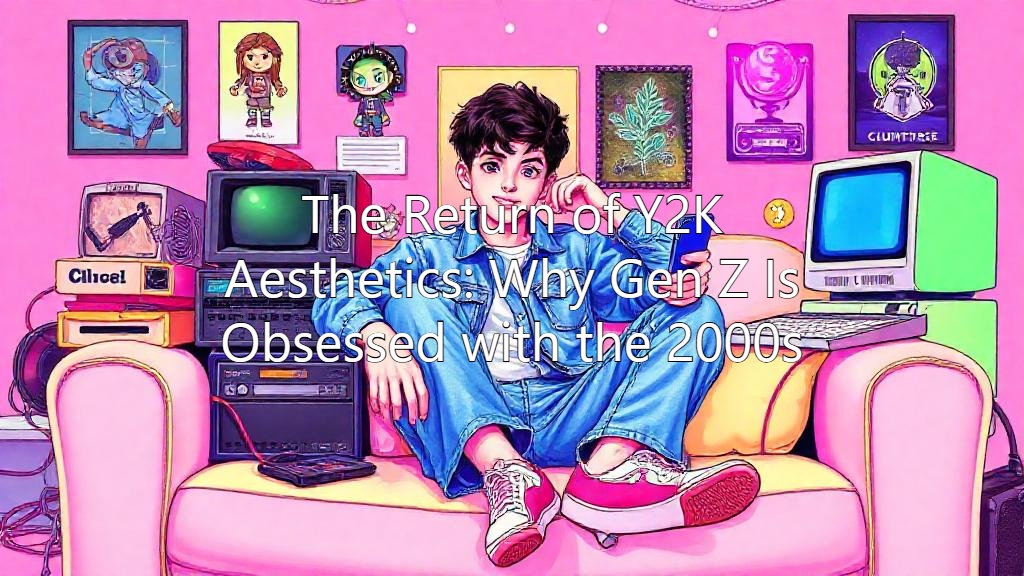
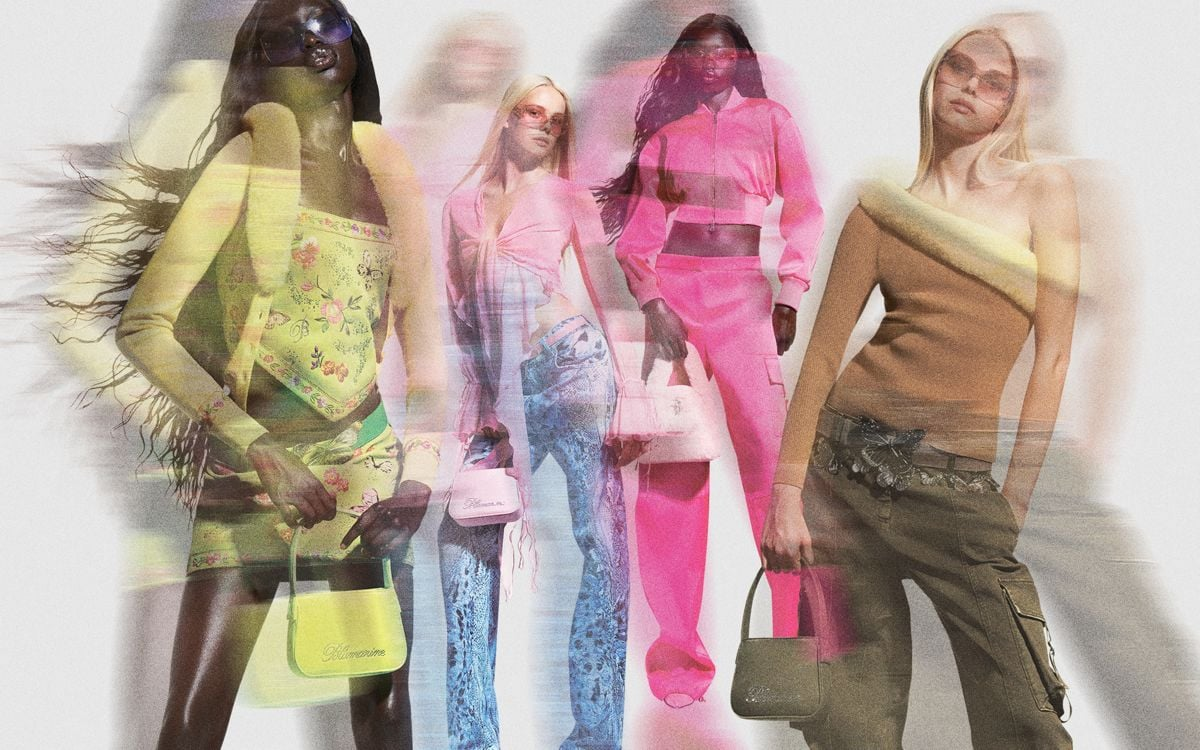
The Y2K era has exploded back onto the scene, with Gen Z embracing the nostalgic aesthetic of low-rise jeans, crop tops, and Juicy Couture tracksuits.
As the calendar flips to a new decade, it’s clear that the past is prologue, and the fashion of the 2000s is experiencing a radical resurgence.
But what’s behind this fascination with a bygone era, and why are young people, who weren’t even born when the millennium bug was a thing, so enamored with the styling of their parents’ youth?
The answer lies in a complex mix of social media, sustainability, and a desire for comfort and self-expression, all of which have converged to make Y2K aesthetics a cultural phenomenon once again.
Understanding the Resurgence of Y2K Fashion Among Gen Z Consumers
Source: FASHION Magazine
The early 2000s have made a comeback among Gen Z consumers, leaving many to wonder what sparked this nostalgic trend.
This resurgence of Y2K fashion is not just about aesthetics, but also about the cultural significance and historical context that defines this style.
As a result, the fashion industry is experiencing a major shift, with designers and brands incorporating vintage elements into their modern designs.
Key Motivations Behind Fashion’s Cultural Shift
Gen Z consumers are driving the demand for Y2K-inspired clothing, with sustainability and individuality being key factors in their purchasing decisions.
The rise of influencer culture and social media platforms has played a significant role in popularizing Y2K fashion, with celebrities and influencers showcasing their favorite vintage pieces.
The blurred lines between high-end fashion and fast fashion have also contributed to the resurgence of Y2K style, making it more accessible and affordable for consumers.
You’re scrolling through social media, and suddenly, you’re hit with a wave of nostalgia as you see low-rise jeans, crop tops, and bold accessories that remind you of the 2000s.
Celebrity and Designer Influence
Source: Chatty Chums
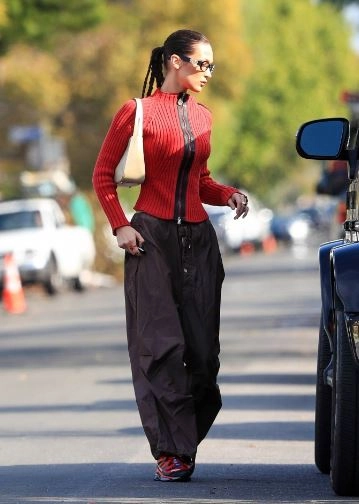
Gen Z’s fashion idols, from Bella Hadid, Olivia Rodrigo, to Doja Cat, have all fully leaned into the Y2K wave.
Luxury brands have followed suit. Designers like Blumarine, Miu Miu, and Diesel are reissuing early 2000s collections or building new ones entirely around the era.
Legacy brands like Juicy Couture and Ed Hardy have found new relevance among young buyers, partly thanks to celebrity endorsements and resale sites like Depop.
Nostalgia With a Twist
The familiar sights and sounds of the early 2000s are everywhere, from music and art to fashion and design.
As you delve deeper into the world of Y2K fashion, you might wonder what’s driving this nostalgia, and how it’s shaping the way you express yourself through fashion.
The answer lies in the intersection of music, art, and culture, which have all played a significant role in reviving the Y2K aesthetic movement.
For Gen Z, Y2K fashion isn’t about reliving the past. It’s about remixing it.
The style is a reminder of simpler times that were more playful and less serious.
In a post-pandemic world, this shift can be seen as reclaiming a lost sense of fun.
The TikTok Effect
@kitteykat1 Damn girl😼 #fypシ゚ #y2k #outfit ♬ original sound – 🎼
Social media has been at the centre of Y2K’s revival. Algorithms reward viral aesthetics, and Y2K’s bold visuals perform exceptionally well on screen.
Thrift shops and online second-hand shops like Depop or Carousell offer accessibility and sustainability.
Y2K isn’t just a singular trend. It’s a thousand remixes of one cultural moment. An umbrella term for different sub-genres like Cyber Y2K, Bimbo Core, Coquette, or McBling.
Anti-Minimalism Rebellion
For most of the 2010s, fashion was all about minimalism: neutral tones, sleek silhouettes, and simple cuts.
Y2K seems to challenge that very aesthetic. Where minimalism prized restraint, Gen Z wants chaos.
Bold colours, daring cuts, and playful layering.
A Culture Shift
This shift reflects a broader cultural shift: Gen Z isn’t afraid to be “extra”.
Y2K allows them to embrace the nature of camp, irony, and extravagance in a world that’s increasingly uncertain.
Gender Fluidity and Expression
Source: Pinterest
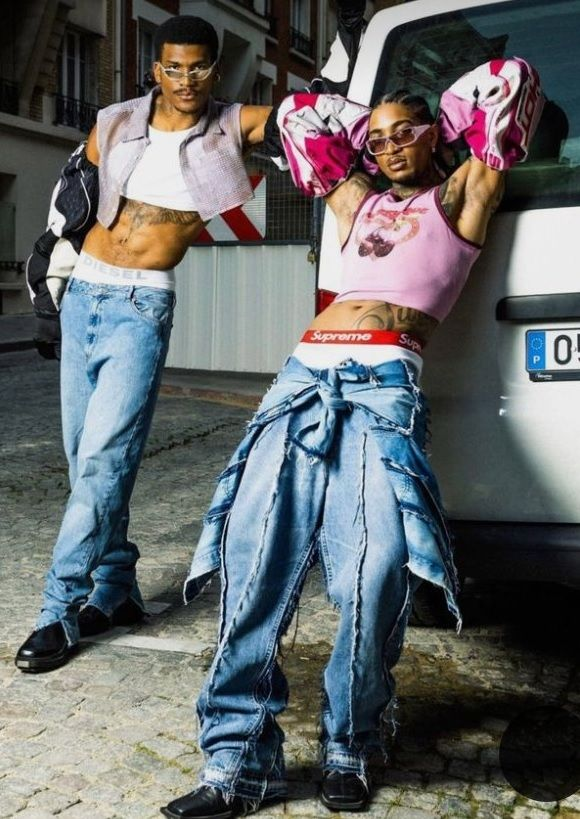
Y2K is also a representation of the generation’s more fluid understanding of gender and identity.
The era’s pop icons: Britney Spears, Xtina, Beyonce, and even boy bands like NSYNC, all played a part with hyper-femininity and glam.
Today, Gen Zers of all genders are exploring these aesthetics on their terms.
For instance, the resurgence of Bimbo culture reclaims hyper-femininity as an empowering statement.
Resisting the male gaze and seeing it as empowerment and autonomy.
A reaction to Digital Overload
Interestingly, Gen Z’s fascination with the early 2000s may also be rooted in the era’s awkward, analog charm.
Before Instagram filters and perfectly curated feeds, photos were blurry, fashion was unfiltered, and celebrities were caught off-guard.
Gen Z, a generation known to shun performativeness and crave authenticity, appreciates the rawness of the early 2000s.
Perhaps dressing in a Y2K fashion is a way of disconnecting, even if briefly, from today’s hyper-curated digital identities.
It’s a Mindset
You may think that Y2K is fleeting. But for Gen Z, it’s not just about the clothes.
It’s about the agency, creativity, and element of rebelliousness that sticks.
Amidst a world filled with climate anxiety, economic uncertainty, and digital fatigue, Y2K fashion offers joy, control, and play.
A reminder that fashion can be fun, loud, and unapologetically unserious.
So, if you see Gen Z walking down the street in low-rise jeans, a baby-tee, and wraparound shades, don’t scoff.
They’re not stuck in the past. Just rewriting it.
Related To Gen Z:
The Singaporean Workplace: How Zillennials Are Changing Office Culture