

Skydiving is often regarded as the ultimate adrenaline rush, but many still wonder, is skydiving a genuine sport, or merely a daring recreational activity?
Beyond the thrill of free-falling thousands of feet from the sky, skydiving involves skill, training, discipline, and even competitive events that test precision and technique.
At the same time, common concerns often surface: What is the real risk of skydiving?
Is skydiving safe compared to other extreme activities?
These questions are essential for beginners and those considering it for the first time.
Interestingly, age has proven not to be a barrier in this sport—the oldest person to have skydived set a record that continues to inspire many.
Whether you’re curious about the safety, the risks, or the recognition of skydiving as a legitimate sport.
This article will dive into the facts, myths, and fascinating stories that make skydiving one of a kind.
Understanding The Risk Of Skydiving: What You Should Know
Let’s be honest—when most people think about skydiving, the first thought that pops into their head is, “What if the parachute doesn’t open?”
Jumping out of a plane thousands of feet in the air sounds like the ultimate risk.
But here’s the thing: while skydiving isn’t completely risk-free (what sport is?)
It’s a lot safer than most people imagine.
Modern parachutes are built with backup systems, and instructors are trained to handle just about any situation.
In fact, first-time jumpers don’t even go alone; they’re strapped to an experienced professional who has probably done hundreds, if not thousands, of dives.
Plus, skydiving schools follow strict rules about weather, equipment checks, and safety briefings, so everything is carefully planned before you even step on the plane.
So yes, skydiving has its risks, but they’re managed in a way that keeps the adventure exciting without being reckless.
Think of it less like “jumping into danger” and more like “taking a controlled leap into an unforgettable experience.”
Is Skydiving Safe Compared To Other Extreme Sports?
When it comes to extreme sports, skydiving often gets the spotlight as the “dangerous one.”
After all, you’re literally leaping out of an aeroplane, how could that be safe, right?
But if we compare it to other adrenaline-packed activities, skydiving actually holds up pretty well in the safety department.
Take something like mountain biking or rock climbing.
Both are hugely popular, but accidents on the trails or cliffs are far more common than most people realise.
Even surfing, skiing, or driving to work every day comes with risks that statistically rank higher than a skydive.
The big difference?
Skydiving has layers of safety measures built in, from detailed training and licensed instructors to advanced parachute systems with backups and automatic devices.
It’s not just about thrill; it’s about structure and preparation.
Of course, “safe” doesn’t mean risk-free.
There’s still the element of human error, unexpected weather shifts, or that moment your heart races during freefall.
However, for most people, the biggest danger is letting fear stop them from experiencing it.
Compared to other extreme sports, skydiving is less of a reckless stunt and more of a carefully managed adventure with a massive safety net, literally.
The Oldest Person To Sky-Dive: Age Is Just A Number
Source: Pexels
If you’re wondering how old is too old to skydive—well, this one might surprise you.
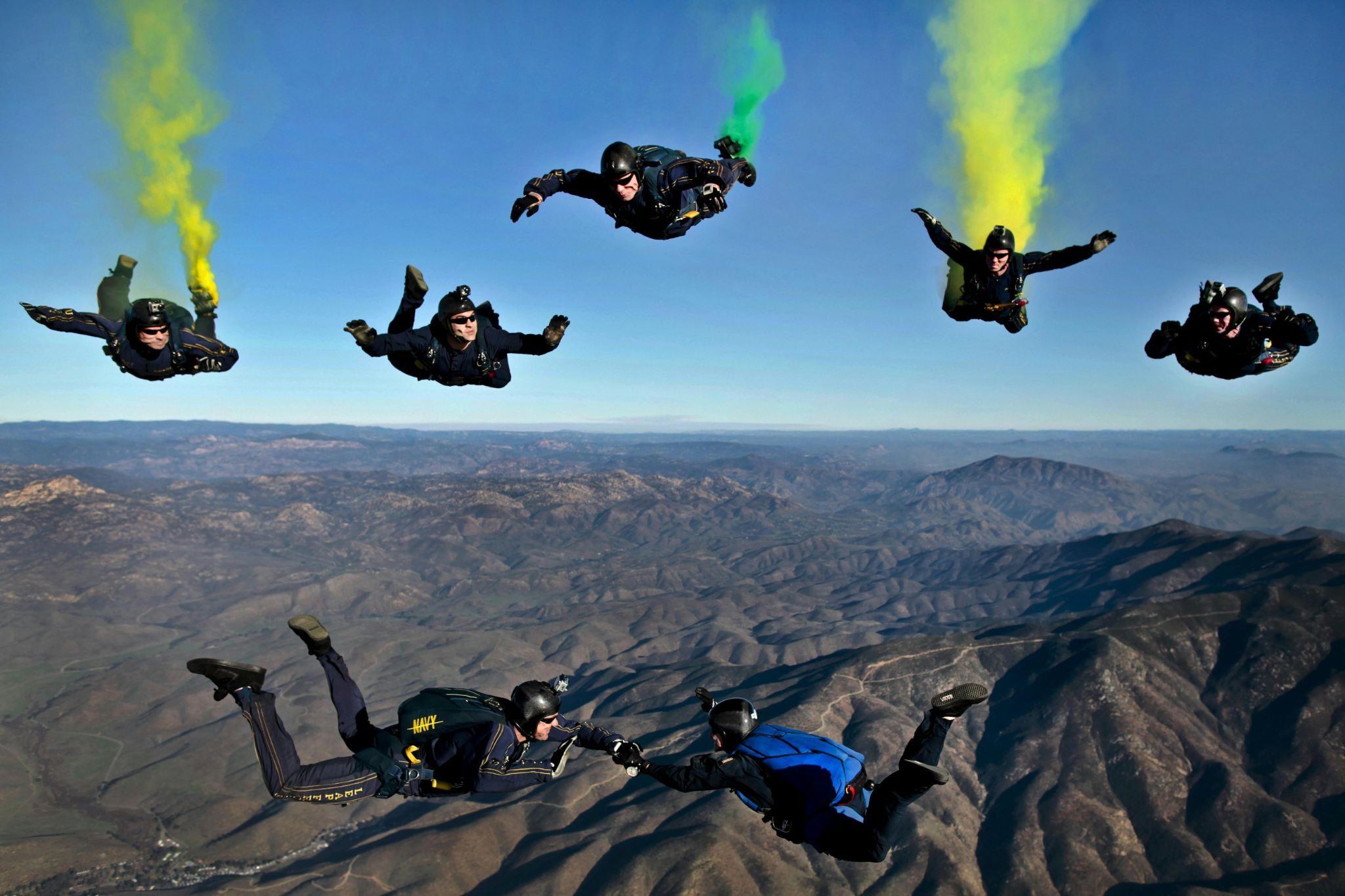
The current record for the oldest person to do a tandem skydive is held by Alfred “Al” Blaschke from Texas, USA.
At 106 years and 327 days, he reclaimed the title on 27 November 2023, launching out of a plane at 9,000 feet with an instructor by his side.
Blaschke first set the record in 2020 when he was 103.
Then in 2022, Rut Linnéa Ingegärd Larsson from Sweden briefly took the title at 103 years, 259 days.
Before all of them, there have been others like the Australian Irene O’Shea, who skydives even after 100, showing that skydiving isn’t just for the young.
What makes this all so cool is not just the record itself, but that people so far past 100 are still jumping out of planes tethered to instructors, sure, but still jumping.
It proves that skydiving isn’t just about fitness or youth, but mindset, preparation, and the right support.
Training, Skills, And Competitions: Why Skydiving Qualifies As A Sport
Source: Pexels
So, back to the big question: is skydiving actually a sport, or just a bucket-list adventure?
The truth is, skydiving is more than just jumping for fun; it’s a discipline that requires skill, practice, and, for many, serious athletic commitment.
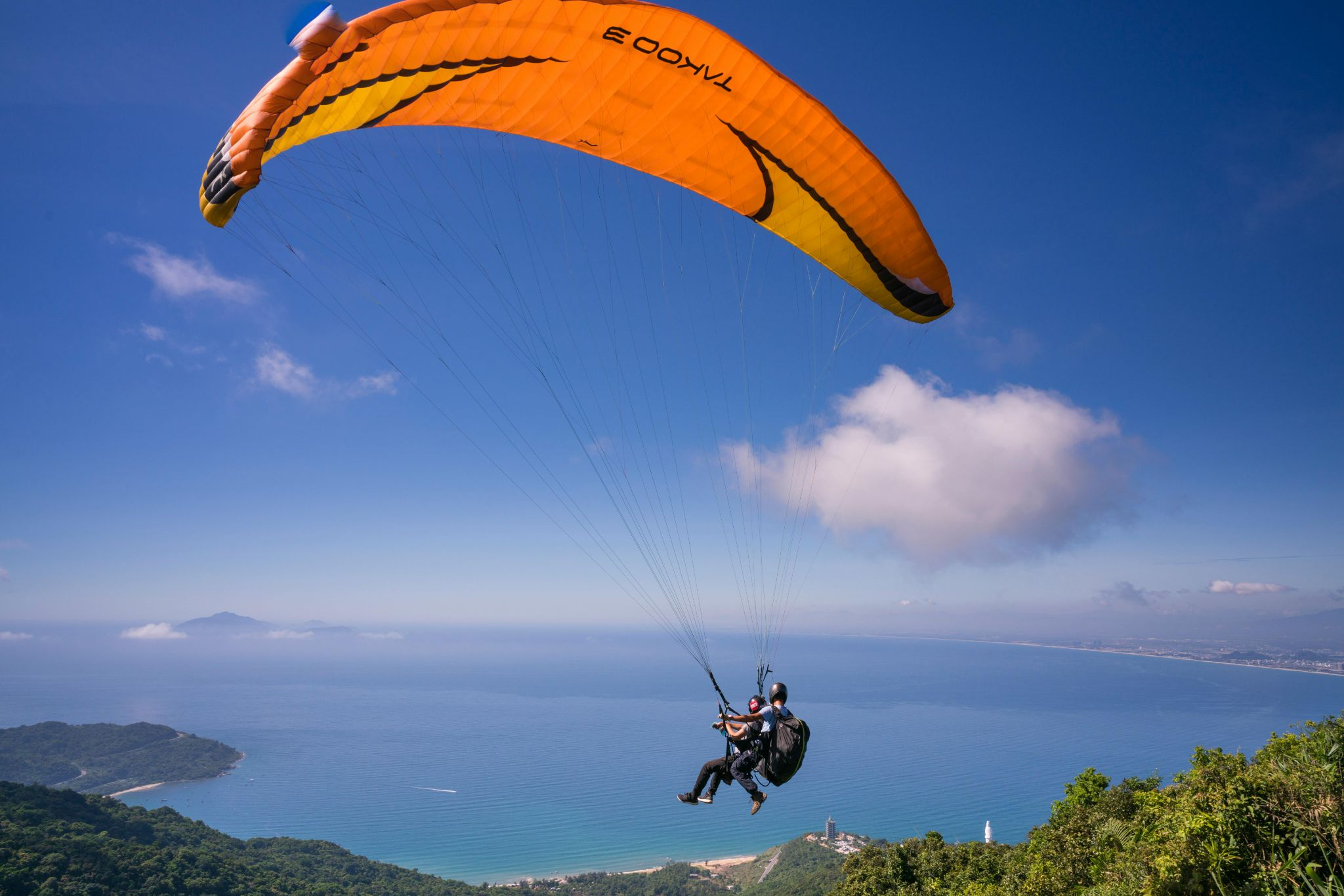
Think about it: skydivers train to control their bodies in freefall, hitting precise positions at speeds of up to 120 mph.
It’s not just falling, it’s steering, balancing, and even performing formations with other skydivers mid-air. That takes both mental focus and physical awareness.
Then, there’s canopy control (aka parachute handling), which requires quick reflexes and precision to land safely.
On top of that, skydiving has an entire competitive scene.
There are world championships in disciplines like formation skydiving, wingsuit flying, canopy piloting, and even freestyle routines where athletes perform flips and tricks in the sky.
Judges score based on accuracy, style, and execution, just like gymnastics or figure skating, but with a whole lot more altitude.
So while most of us see skydiving as a thrilling one-time adventure, for dedicated athletes it’s a sport in every sense: training, competition, teamwork, and a whole lot of passion for flying.
Thrill VS. Safety: Balancing Adventure And Responsibility
Source: Pexels
At the heart of skydiving is this perfect mix of adrenaline and caution.
On one hand, you’re soaring through the air at breathtaking speeds, feeling the kind of rush you can’t get anywhere else.
However, on the other hand, skydiving schools, instructors, and the sport’s governing bodies put a huge emphasis on safety.
Because the only way people keep coming back is if the experience is thrilling and controlled.
Every jump is carefully planned: weather conditions are checked, equipment is double- and triple-inspected, and jumpers go through safety briefings before stepping on the plane.
Tandem students are harnessed to pros who know the drill inside and out.
Even experienced skydivers stick to strict rules and gear checks, because in this sport, respect for safety is non-negotiable.
That’s what makes skydiving so unique.
It isn’t about choosing between thrill and safety; it’s about finding that balance where the adventure is unforgettable but never reckless.
The real magic lies in the trust: trust in the training, the equipment, and the people guiding you.
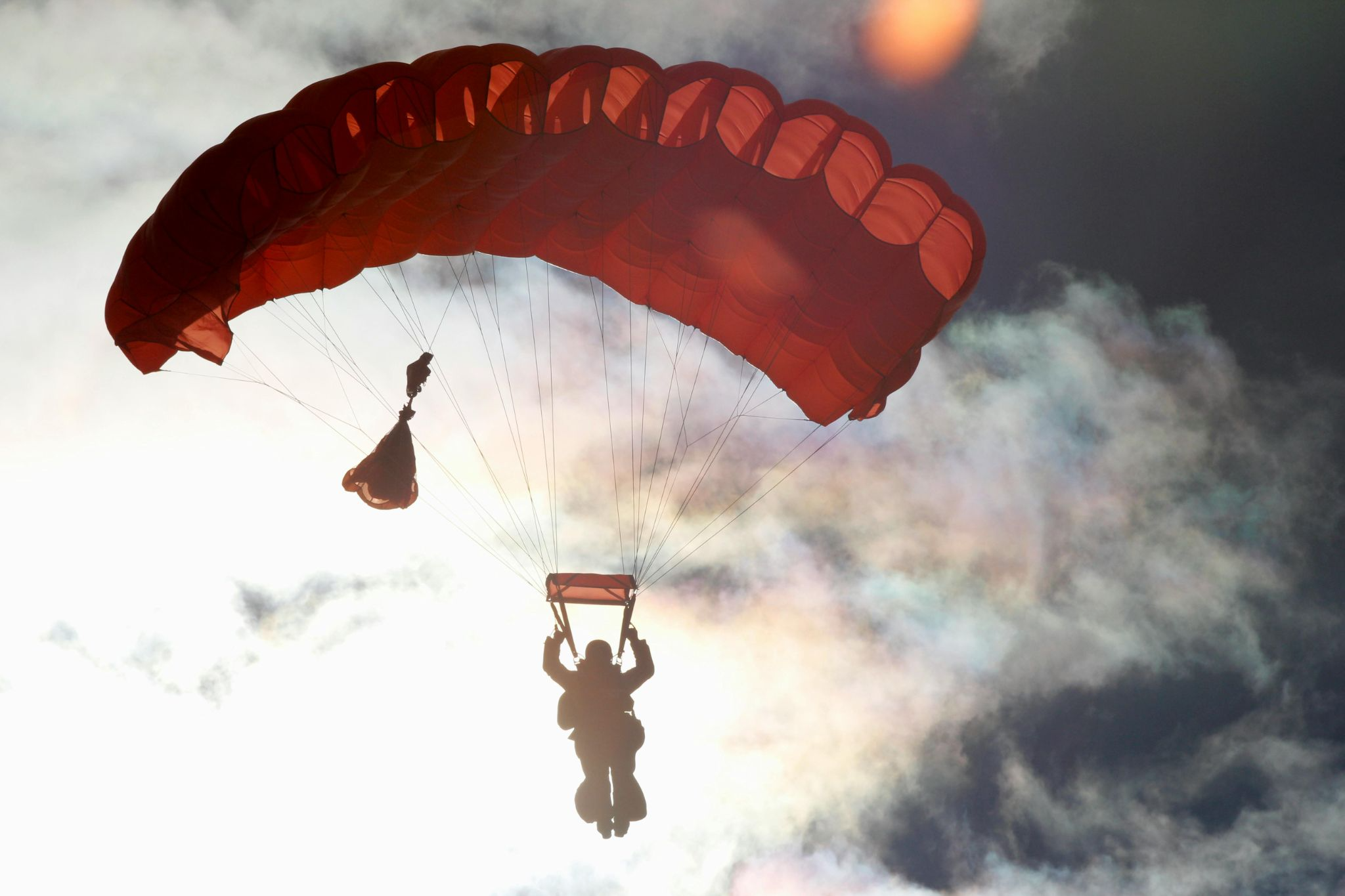
And once the parachute opens and you’re gliding back to earth, you realise skydiving isn’t about danger at all, it’s about freedom.
Related To Skydiving:
Hobby Horsing: The Quirky Sport You Won’t Believe Is Real
From Rules To Rallies: The Ultimate Beginner’s Guide To Tennis