


In the ever-shifting landscape of social media, a new trend is emerging, akin to a whisper in a crowded room – de-influencing.
What if the most effective way to influence others is to tell them what not to buy?
As consumers become increasingly skeptical of sponsored posts and product placements, de-influencing has risen as a counterintuitive approach, where individuals share their genuine disappointments and regrets about certain products or services.
By embracing the anti-hype, de-influencers are redefining the rules of the game, and their unfiltered opinions are being met with a surprising level of enthusiasm and trust from their followers.
Understanding De-Influencing as a Social Media Phenomenon and Trend
De-influencing, a movement that rejects the traditional influencer marketing paradigm, has been gaining traction on social media platforms, with users embracing a more minimalist and authentic approach to consumerism.
This shift is driven by the growing awareness of the environmental and social impact of fast consumerism, as well as the increasing skepticism towards sponsored content.
As a result, de-influencing has become a powerful force in shaping consumer behavior and redefining the role of influencers in the digital landscape.
De-Influencing in the Beauty Sector and Consumer Products Industry
Source: Business Insider
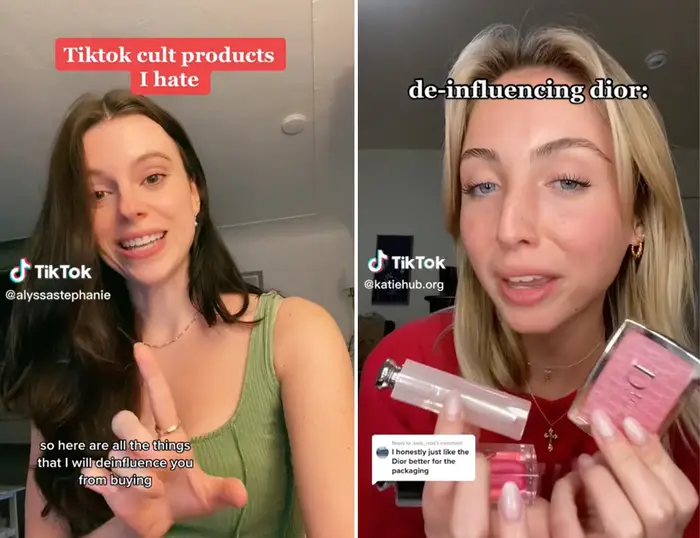
Imagine scrolling through social media, bombarded with ads and influencers promoting the latest beauty trends, making you question your own purchasing decisions.
You start to feel the pressure to keep up with the latest skincare routines and makeup products.
Your feeds are flooded with “must-haves” and “game-changers”.
As a consumer, it’s essential to understand the concept of de-influencing, which involves individuals sharing their honest, often negative, experiences with popular products, helping to counterbalance the typical influencer marketing narrative.
De-influencing aims to promote a more realistic and sustainable approach to consumption, encouraging you to think critically about your purchases.
By sharing their genuine opinions, de-influencers can help you make more informed decisions.
You’re not alone in seeking authenticity and transparency in the beauty and consumer products industry, and the rise of de-influencing is a testament to the growing demand for honest reviews and recommendations.
The Rise of Authenticity in Marketing Strategies

Source: Harper’s BAZAAR
Discouraging followers from buying certain products has been adopted by influencers such as Hyram Yarbro, who has gained a large following by sharing his honest opinions on skincare products.
By promoting authenticity, these influencers are able to build trust with their audience and create a more loyal following.
As a result, brands are taking notice and adjusting their marketing strategies to prioritize authenticity and transparency.
By doing so, brands can build trust with their target audience and create a more loyal customer base, ultimately driving long-term growth and success.
In the end, it’s all about being genuine and rejecting the artificial and the fake to create marketing strategies that truly resonate with consumers, and ultimately, drive real results.
A Response to the Cost-of-Living Crisis and Consumer Behavior
 Source: Pexels
This movement has emerged as a beacon of rationality.
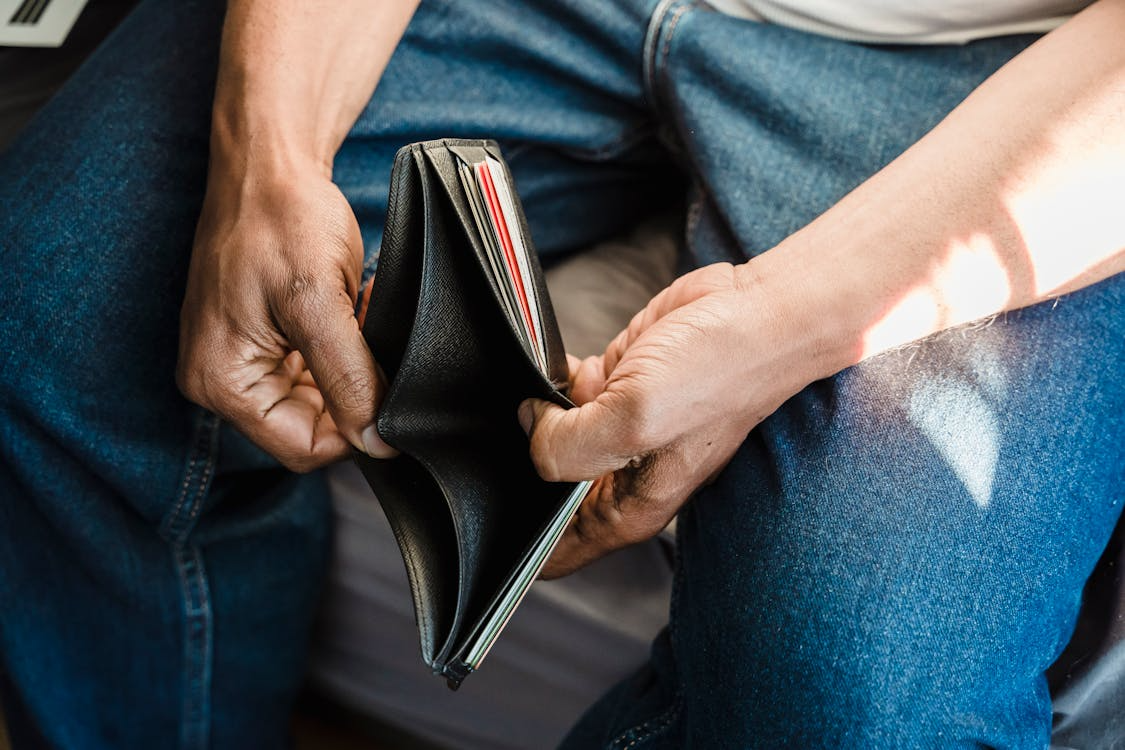
People are beginning to question the true cost of their purchasing decisions and the impact on their financial stability.
Like a refreshing breeze on a sweltering summer day, de-influencing brings a sense of clarity and calm to the chaos of consumer culture, encouraging individuals to reassess their values and priorities.
As the cost-of-living crisis continues to tighten its grip on households around the world, this trend has become a viable response, a way for consumers to push back against the relentless onslaught of advertising and social media pressure to buy, buy, buy.
By rejecting the notion that happiness and fulfillment can be purchased, de-influencers are forging a new path, one that values experience and connection over material possessions and seeks to redefine the notion of success and status in a world where the old rules no longer apply.
De-influencing is the antidote to the poison of overconsumption, a chance for consumers to reboot and rediscover what truly brings them joy and fulfillment.
The Disruption of Trust Between Influencers and Followers in Digital Marketing
The relationship between influencers and their followers has become increasingly complex, with many feeling deceived by sponsored content and fake reviews.
Having their trust eroded, followers are now more savvy and critical of the information they consume online.
This attitude shift has affected both digital marketing strategies and the kind of information put out by influencers.
Beyond that, the rise of social media has created a culture of instant gratification, where individuals can quickly build a large following and monetize their influence.
However, this has also led to a proliferation of fake or bought followers, which can further exacerbate the trust issue.
How Brands are Combating “Fake-fluencers”
To combat this, many brands are now focusing on micro-influencers, who have smaller but more engaged audiences and are often seen as more authentic and trustworthy.
Brands can tap into their niche audience and build meaningful relationships with their target market.
With the rise of AI-generated content and virtual influencers, brands can now explore new ways to connect with their audience and build trust through transparency and authenticity.
As the digital landscape continues to evolve, marketers need to stay ahead of the curve and adapt to the changing needs and expectations of their audience.
The Role of Reverse Influencing in Promoting Sustainability and Reducing Overconsumption
Source: Everypixel
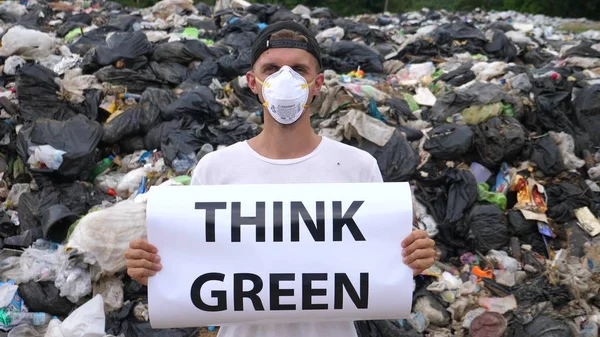
As consumers become more aware of the environmental and social impact of their purchases, it’s all about making a difference, one purchase at a time, or so it seems.
De-influencing promotes sustainability and reduces overconsumption.
And then there’s the role of social media.
Influencers can make or break a product by sharing their thoughts, experiences, and opinions on the products they don’t like or the ones they think are unnecessary.
It’s about being mindful of our consumption habits, and the impact they have on the environment, and on society as a whole: a complex issue, with no easy solutions, but one that requires our attention, and our action.
Effective Influencer Marketing and Social Media Campaigns
By embracing reverse influencing, marketers can create a more realistic and relatable narrative, allowing them to connect with their audience on a deeper level and build trust with their target demographic.
As consumers become increasingly skeptical of overly promotional content, de-influencing can serve as a refreshing counterpoint, providing a more nuanced and balanced perspective on the products or services being promoted.
It can also mitigate the risks associated with influencer marketing, such as the potential for misleading or deceptive advertising, by promoting a more transparent and honest approach to product endorsements.
De-influencing is redefining the influencer marketing landscape.
Related To Influencers:
Who Is Becca Bloom: The Face Of #RichTok
Who Is Adin Ross? The Streamer That Was Permanently Banned From Twitch