

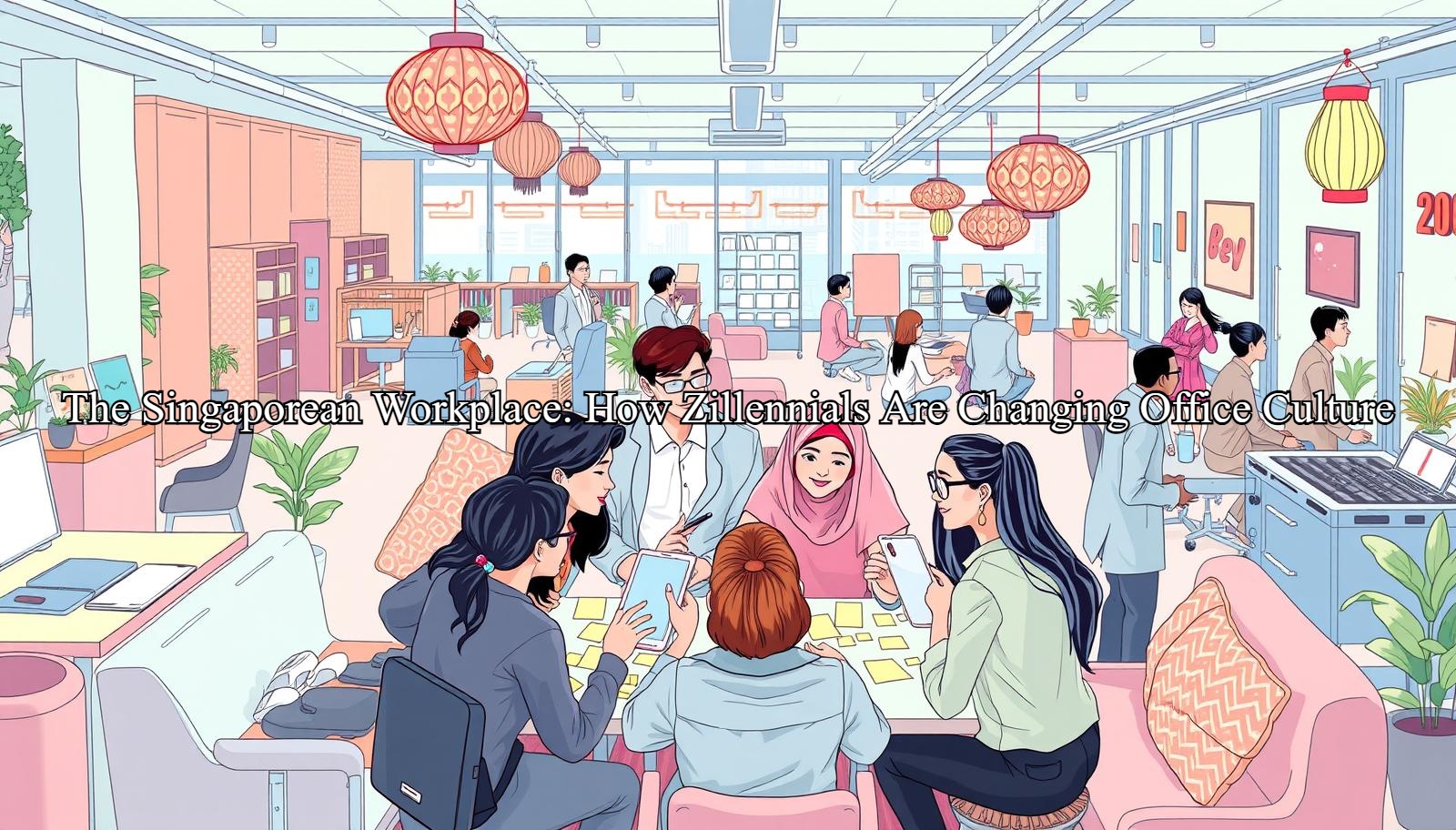
The Singaporean workplace is undergoing a significant transformation, driven by the arrival of “Zillennials”, an in-between generation of employees born between 1997 and 2012.
Zillennials are not exactly millennials or part of Gen Z, but they share characteristics with both generations.
Their unique perspectives, values, and work styles are redefining office culture and challenging traditional norms.
As a result, companies must adapt to meet the changing needs and expectations of their younger workforce.
This shift is not only essential for attracting and retaining top talent but also for driving innovation and competitiveness in the market.
Embracing Diversity and Inclusion in the Workplace
Source: Pexels
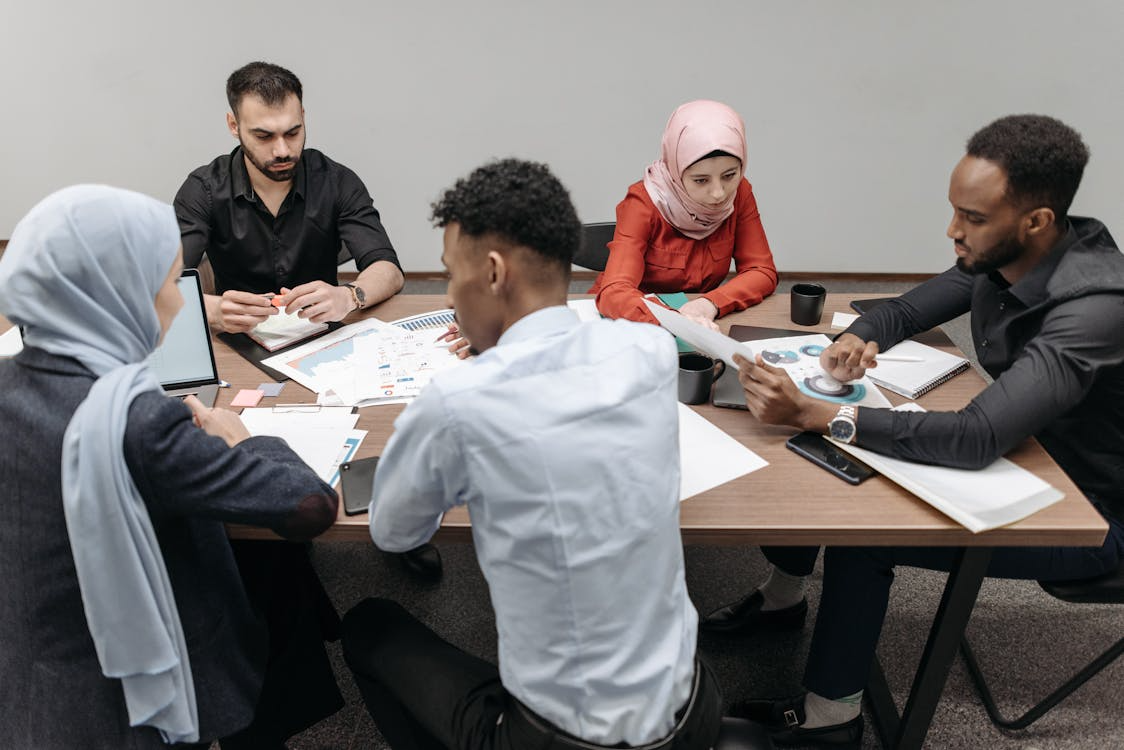
The Zillennial generation is the most diverse in history, with a wide range of cultural, ethnic, and socio-economic backgrounds.
This diversity brings unique perspectives and ideas, which can drive innovation and creativity in the workplace.
Companies that prioritize diversity and inclusion are more likely to attract and retain top talent.
They must create a work environment that is welcoming, inclusive, and respectful of all employees, regardless of their background or identity.
This can involve implementing diversity and inclusion training programs, celebrating different cultural events, and promoting equal opportunities for all employees.
By embracing diversity and inclusion, companies can foster a positive and supportive work culture that values and respects all employees.
The Impact of Technology on Zillennial Workplace Expectations
Zillennials are digital natives, having grown up with the internet and social media.
They expect to use the latest technologies and tools in the workplace, such as cloud-based software, artificial intelligence, and virtual reality.
Companies that fail to adopt these technologies risk appearing outdated and unattractive to Zillennial employees.
Moreover, Zillennials expect to be able to work remotely and have flexible work arrangements, which requires companies to invest in digital infrastructure and cybersecurity.
By leveraging technology, companies can increase productivity, improve communication, and enhance the overall work experience for their Zillennial employees.
Creating a Culture of Feedback and Openness

Zillennials value transparency, honesty, and open communication in the workplace.
They expect to receive regular feedback, coaching, and mentoring to help them grow and develop in their careers.
Companies that prioritize feedback and openness are more likely to build trust and loyalty with their Zillennial employees.
This can involve implementing regular check-ins, 360-degree feedback programs, and anonymous feedback mechanisms.
By fostering a culture of feedback and openness, companies can create a positive and supportive work environment that encourages collaboration, innovation, and growth.
Prioritizing Work-Life Balance and Wellbeing
Zillennials prioritize work-life balance and wellbeing, recognizing that their mental and physical health is essential to their overall quality of life.
They expect companies to provide support for their well-being, such as mental health programs, fitness classes, and flexible work arrangements.
Companies that prioritize work-life balance and wellbeing are more likely to attract and retain top Zillennial talent.
This can involve implementing employee wellness programs, providing access to mental health resources, and encouraging employees to take breaks and practice self-care.
By prioritizing work-life balance and well-being, companies can create a positive and supportive work culture that values the health and happiness of all employees.
Fostering a Culture of Continuous Learning and Development
Zillennials are lifelong learners, recognizing that the job market is constantly evolving and that they need to continuously update their skills to remain relevant.
They expect companies to provide opportunities for learning and development, such as training programs, workshops, and conferences.
Companies that prioritize continuous learning and development are more likely to attract and retain top Zillennial talent.
This can involve implementing mentorship programs, providing access to online courses and tutorials, and encouraging employees to attend industry events.
By fostering a culture of continuous learning and development, companies can create a positive and supportive work environment that values growth, innovation, and progress.
Key Strategies for Attracting and Retaining Zillennial Talent
Some key strategies for attracting and retaining Zillennial talent include:
- Offering flexible work arrangements and remote work options
- Providing opportunities for continuous learning and development
- Prioritizing diversity and inclusion
- Fostering a culture of feedback and openness
- Encouraging work-life balance and wellbeing
By implementing these strategies, companies can create a positive and supportive work culture that values and respects all employees.
The Role of Leadership in Shaping Zillennial Workplace Culture
Leaders play a critical role in shaping the workplace culture and attracting and retaining Zillennial talent.
They must be willing to adapt to changing workforce demographics and priorities, and prioritize the needs and expectations of their Zillennial employees.
This can involve leading by example, fostering a culture of openness and feedback, and prioritizing diversity and inclusion.
By doing so, leaders can create a positive and supportive work environment that values and respects all employees.
Moreover, they can drive innovation, growth, and competitiveness in the market and unlock the full potential of their Zillennial workforce.
Overcoming the Challenges of Managing a Multigenerational Workforce
Managing a multigenerational workforce can be challenging, as different generations have different values, work styles, and expectations.
However, by prioritizing diversity and inclusion, fostering a culture of feedback and openness, and providing opportunities for continuous learning and development, companies can create a positive and supportive work environment that values and respects all employees.
Moreover, they can leverage the strengths and perspectives of each generation to drive innovation, growth, and competitiveness in the market.
By doing so, companies can unlock the full potential of their multigenerational workforce and stay ahead in the competitive Singaporean job market.
The Future of Work in Singapore: Trends and Predictions
The Singaporean workplace is undergoing a significant transformation, driven by the arrival of Zillennials and their unique perspectives, values, and work styles.
By embracing diversity and inclusion, leveraging technology, and prioritizing feedback, openness, and continuous learning, companies can create a positive and supportive work culture that values and respects all employees.
As the job market continues to evolve, companies that are able to adapt and innovate will be well-positioned for success and will unlock the full potential of their Zillennial workforce.
Related To Gen Z:
Fit and Focused: How Gen Zs are Leading the Comeback Of Gyms