


The concept of home-based cafes in Singapore has gained significant attention in recent times.
Some view it as a unique opportunity for individuals to showcase their culinary skills.
While others see it as a fleeting trend that will soon fade away.
The question remains: are home-based cafes in Singapore a fad or here to stay?
Only time will tell, but for now, let’s dive into the world of these hidden gems.
Exploring the Rise of Home-Based Cafes in Singapore
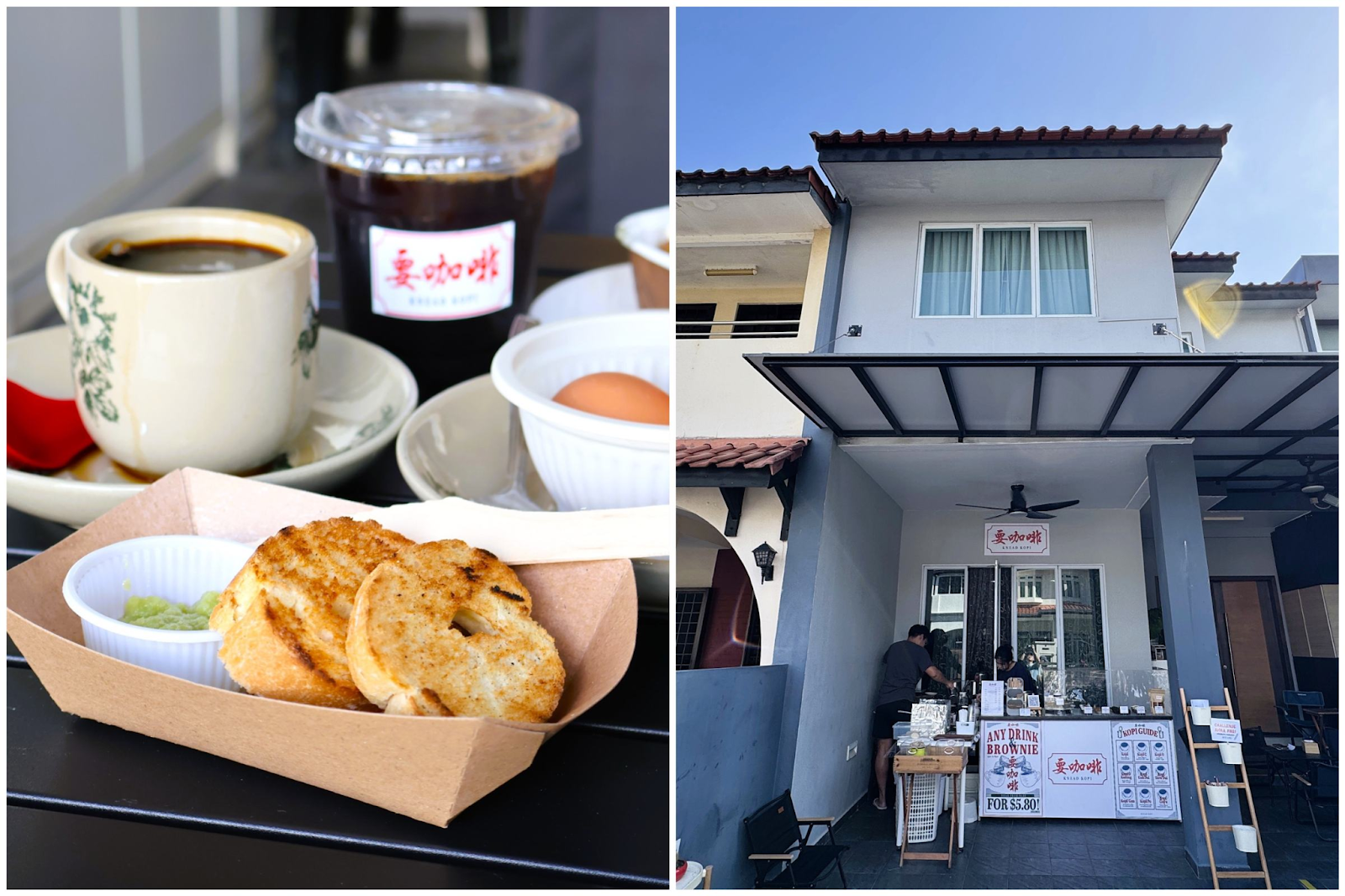
Source: Daniel Food Diary
The rise of home-based cafes in Singapore can be attributed to the country’s thriving food culture.
And perhaps, a glimpse of how young Singaporeans are adapting to the changing economy and job market, by seeking an alternative career that allows them to lead a slower life whilst doing what they love.
Singaporeans are known for their love of good food, and home-based cafes offer a unique twist.
They provide an intimate setting where customers can enjoy a wide range of dishes.
From traditional Singaporean cuisine to innovative fusion dishes, the options are endless.
Home-based cafes have also become a platform for aspiring chefs to showcase their skills.
With the rise of social media, it’s easier than ever for these cafes to gain visibility.
They can share their creations and attract customers from all over the island.
Understanding the Appeal of Home-Based Cafes

Source: CNA Lifestyle
Home-based cafes have an undeniable charm that draws customers in.
The cozy atmosphere and personalized service make for a truly unique experience.
Customers can interact with the chefs and learn about the inspiration behind each dish.
This personal touch has contributed to the popularity of home-based cafes.
They have become a favorite among foodies and those looking for a unique dining experience.
From a more business perspective, home-based cafes are a much more financially practical option compared to a traditional brick-and-mortar cafe.
Opening a cafe straight out of their homes allows these Singaporean entrepreneurs to save on rental fees and other operational costs.
The Role of Social Media in Promoting Home-Based Cafes

Social media has played a significant role in promoting home-based cafes in Singapore.
Platforms like Instagram, Facebook, and TikTok have made it easy for these cafes to showcase their creations.
By sharing high-quality images and behind-the-scenes stories, they can attract a large following.
Social media has also enabled home-based cafes to connect with their customers.
They can receive feedback and respond to queries promptly.
This has helped build a sense of community around home-based cafes.
Overcoming the Challenges Faced by Home-Based Cafes
Despite their popularity, home-based cafes face several challenges.
One of the main concerns is the lack of visibility and marketing.
Unlike traditional cafes, home-based cafes do not have an obvious physical presence, with loud branding or an aesthetically curated interior.
They rely on word-of-mouth and social media to attract customers.
Another challenge is the limited seating capacity and operating hours.
Home-based cafes often have to navigate these restrictions while maintaining quality and service.
Key Factors Contributing to the Success of Home-Based Cafes
Some key factors contribute to the success of home-based cafes.
These include:
- High-quality food and presentation
- Unique and personalized service
- Effective use of social media
- Strong online presence
- Word-of-mouth marketing
By focusing on these factors, home-based cafes can establish a loyal customer base.
The Impact of Home-Based Cafes on the Local Community
Home-based cafes have a significant impact on the local community.
They provide a platform for local chefs and food enthusiasts to showcase their skills.
They also create opportunities for social interaction and community building.
In a YouTube interview, Rachel and Glendon, owners of Knead Kopi, a home-based cafe, shared that there is a lack of communal spaces where they live for people to gather.
Glendon shared, “We have neighbours that stay around here, but they haven’t met (each other) in years, but they actually bump into each other here (at Knead Kopi).”
The Regulatory Environment for Home-Based Cafes
The regulatory environment for home-based cafes in Singapore is still evolving.
The government has implemented guidelines to ensure food safety and hygiene.
Home-based cafes must comply with these regulations to operate legally.
The authorities are also working to provide support and resources for home-based cafes.
This includes workshops and training programs to help them navigate the regulatory environment.
Future Outlook for Home-Based Cafes
Home-based cafes in Singapore may not just be a fad.
They offer a unique dining experience that sets them apart from traditional cafes.
With their cozy atmosphere and personalized service, they have won the hearts of many.
As the food scene continues to evolve, home-based cafes are likely to play a significant role.
They will continue to innovate and provide a platform for local chefs and food enthusiasts.
From its humble beginnings to its current popularity, it’s clear that this trend is here to stay.
With the support of the local community and the authorities, home-based cafes will continue to thrive and remain a niche and beloved part of Singapore’s food scene.
Related To Cafes:
From Kopitiam to Cloud Kitchen: How F&B In Singapore Is Evolving