

Singapore’s food culture is one of its richest and most beloved aspects.
From old-school hawker centres and neighbourhood kopitiams to Michelin-starred restaurants and hawker stalls.
But behind the familiar flavours, the way the food and beverage (F&B) industry operates has been quietly transforming.
Driven by technology, rising costs, and changing consumer habits, Singapore’s F&B sector is seeing a shift: more businesses are moving from traditional brick-and-mortar setups to cloud kitchens, virtual brands, and delivery-first models.
What’s powering this evolution, and what does it mean for Singapore’s iconic food scene?
Introduction to Singapore’s F&B Landscape and Its Rich History
Source: Mothership
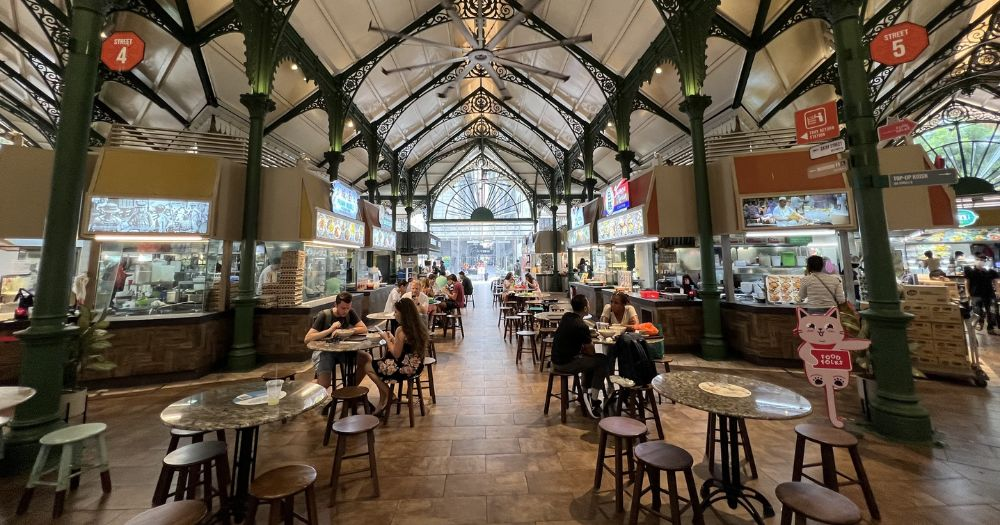
Singapore’s food and beverage industry has come a long way since its humble beginnings, with street food vendors and kopitiams giving way to modern restaurants and cafes.
With the rise of social media, food blogging, and online reviews, the F&B industry in Singapore has become more competitive than ever.
Restaurants and eateries must now adapt to changing consumer preferences and technological advancements to stay ahead.
The F&B industry in Singapore is a significant contributor to the country’s economy, with a large workforce and substantial revenue generation.
The Rise of Cloud Kitchens and Food Delivery Services in Singapore
Source: The Straits Times
The post-pandemic environment has accelerated the growth of cloud kitchens and food delivery services in Singapore.
With dine-in restrictions and social distancing measures in place, consumers have turned to online ordering and delivery for their food needs.
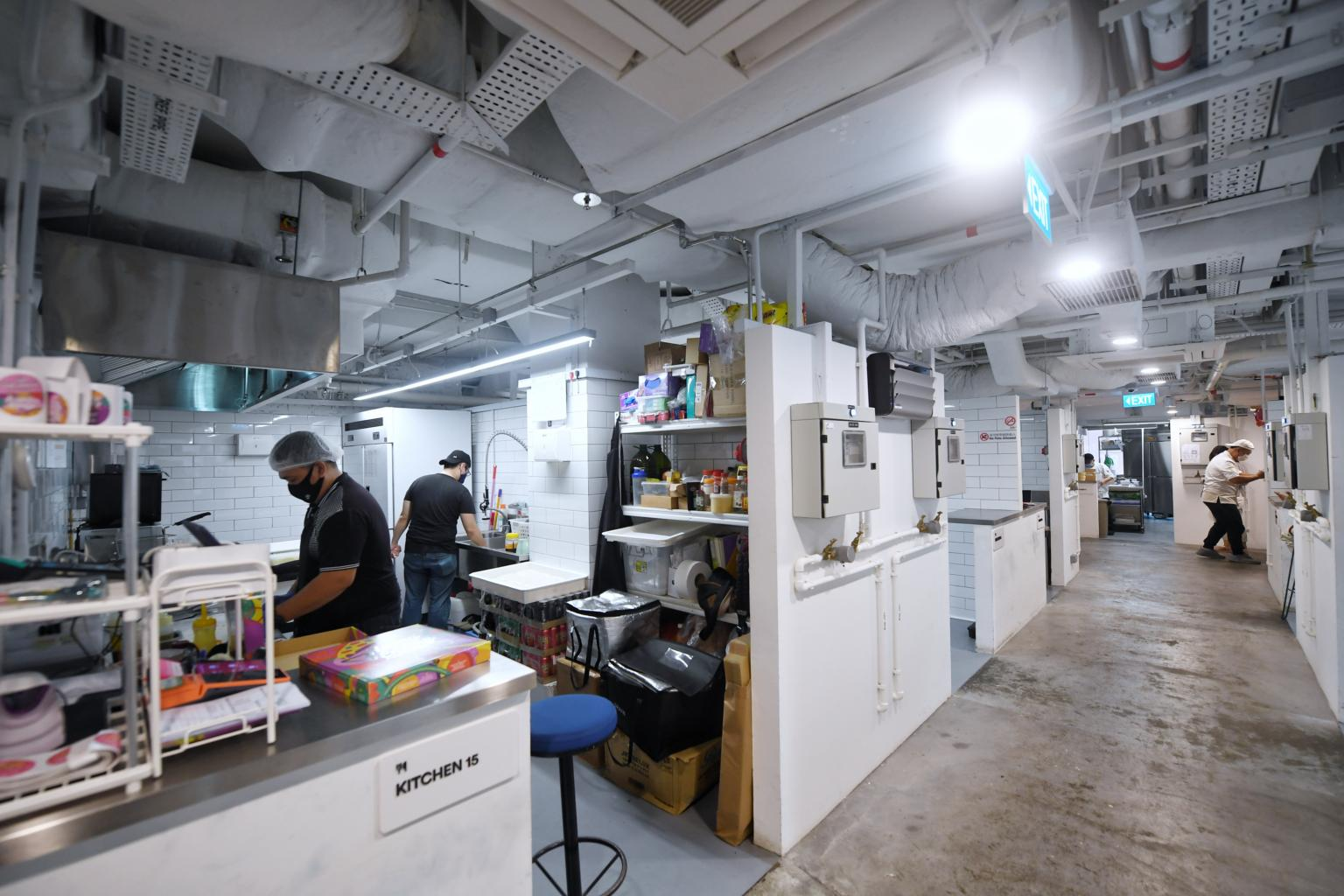
Cloud kitchens, also known as ghost kitchens or virtual kitchens, have become increasingly popular, offering a range of cuisines and dishes for delivery.
Cloud kitchens utilise commercial kitchens solely for preparing food for delivery or takeout only, with no dine-in customers.
Food delivery services like GrabFood, Foodpanda, and Deliveroo have made it easier for consumers to access their favorite foods from the comfort of their homes.
The rise of cloud kitchens and food delivery services has transformed the F&B industry in Singapore, creating new opportunities for entrepreneurs and businesses.
However, it has also raised concerns about food safety, quality control, and the impact on traditional brick-and-mortar restaurants.
Impact of Technology on F&B Industry in Singapore and Beyond
Source: Meapos
Technology has revolutionized the F&B industry in Singapore, from online ordering and payment systems to kitchen automation and data analytics.
Restaurants and eateries are leveraging technology to enhance customer experience, improve operational efficiency, and increase revenue.
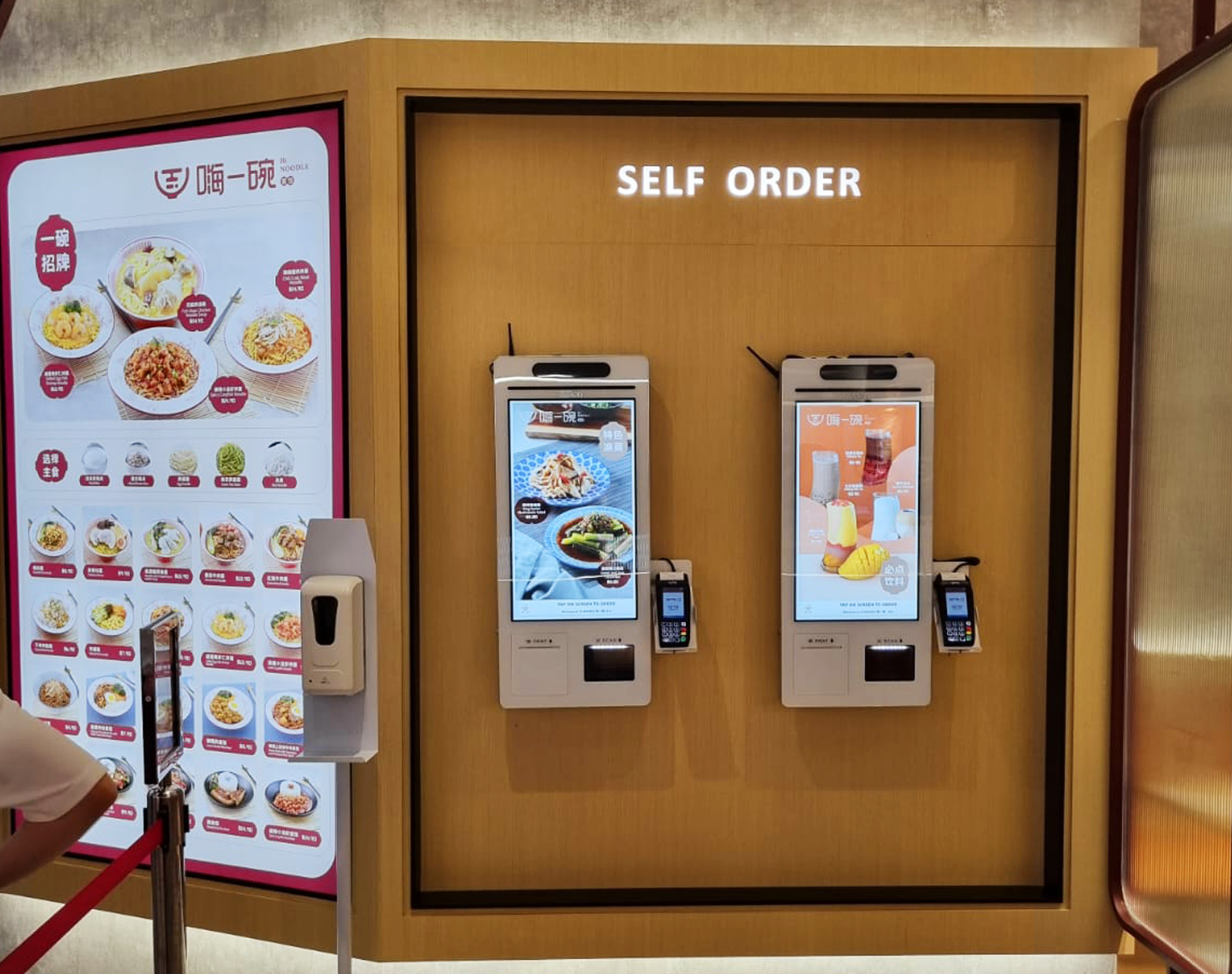
Digital menus, self-service kiosks, and mobile apps have become common features in many F&B establishments.
The use of data analytics and artificial intelligence has also enabled businesses to understand consumer behavior and preferences.
By adopting technology, F&B businesses in Singapore can stay competitive, improve customer satisfaction, and drive growth.
Changing Consumer Preferences and Demographics in Singapore
Changing consumer preferences and demographics are driving the evolution of the F&B industry in Singapore.
With a growing middle class and increasing disposable income, consumers are seeking unique dining experiences and high-quality food.
There is a shift towards healthier and more sustainable food options, with a focus on wellness and environmental sustainability.
The rise of social media has also influenced consumer behavior, with many seeking Instagrammable moments and unique experiences.
F&B businesses in Singapore must adapt to these changing preferences and demographics to stay relevant and competitive.
Growth of Sustainable and Eco-Friendly F&B Practices in Singapore
The F&B industry in Singapore is embracing sustainable and eco-friendly practices, from reducing food waste to using environmentally friendly packaging.
With growing concerns about climate change and environmental sustainability, consumers are seeking eco-friendly options and responsible businesses.
F&B establishments are responding by adopting sustainable practices, such as reducing plastic use, sourcing local ingredients, and implementing recycling programs.
The growth of sustainable and eco-friendly F&B practices in Singapore is driven by consumer demand, government initiatives, and a desire to reduce the industry’s environmental impact.
Innovations in the F&B Industry and Their Impact on Consumer Behavior

Source: Prima Taste
Innovations in the F&B industry, such as plant-based meat alternatives and meal kits, are changing the way consumers eat and interact with food.
With the rise of veganism and vegetarianism, plant-based options are becoming increasingly popular, and businesses are responding by offering a range of vegan and vegetarian dishes.
Meal kits and food subscription services are also gaining traction, offering consumers convenience and flexibility.
These innovations are driving growth and competition in the F&B industry, with businesses seeking to stay ahead of the curve and meet changing consumer demands.
Challenges Facing F&B Businesses and Potential Solutions
F&B businesses in Singapore face numerous challenges, from rising labor costs and rents to increasing competition and changing consumer preferences.
To overcome these challenges, businesses must adapt and innovate, leveraging technology, adopting sustainable practices, and focusing on unique customer experiences.
By investing in staff training and development, improving operational efficiency, and enhancing customer satisfaction, F&B businesses can stay competitive and drive growth.
The Singapore government has also launched initiatives to support the F&B industry, such as providing funding for innovation and entrepreneurship.
Future Outlook for the F&B Industry in Singapore and Emerging Opportunities
The future outlook for the F&B industry in Singapore is promising, with emerging opportunities in areas such as sustainability, technology, and experiential dining.
As the industry continues to evolve, businesses must stay agile and responsive to changing consumer preferences and technological advancements.
With its unique cultural landscape, diverse cuisine, and innovative spirit, Singapore is well-positioned to become a leader in the global F&B industry.
The city-state’s F&B scene will continue to thrive, with new trends, innovations, and opportunities emerging in the years to come.
With its rich cultural heritage, diverse cuisine, and unique blend of tradition and modernity, Singapore’s F&B scene is a true reflection of the city-state’s identity and spirit.
As the industry continues to evolve, one thing is certain.
Singapore will remain a food lover’s paradise, with endless options and opportunities to indulge in the best of local and international cuisine.
Related To Singapore:
The Singaporean Workplace: How Zillennials Are Changing Office Culture
Upcoming Events In Singapore 2025: From The Grand Prix To Phantom of The Opera