

The nostalgia of walking into a bustling hawker centre, surrounded by the chatter of families and friends gathering over a crispy roti prata.
Those were the days.
With the rise of food delivery apps, one can’t help but wonder: are these platforms ruining traditional hawker culture?
The Shift To Convenience: A Threat To Hawker Centres?
Source: Pexels
The convenience of food delivery has undoubtedly changed the way we consume food.
No longer do we need to brave the crowds, the heat, or the rain to grab a quick bite.
With just a few taps on our screens, our favourite dishes are delivered right to our doorstep.
But in doing so, have we begun to deem hawker centres as obsolete?
It’s not hard to see why.
Why bother venturing out when you can get the same food delivered to the comfort of your own home?
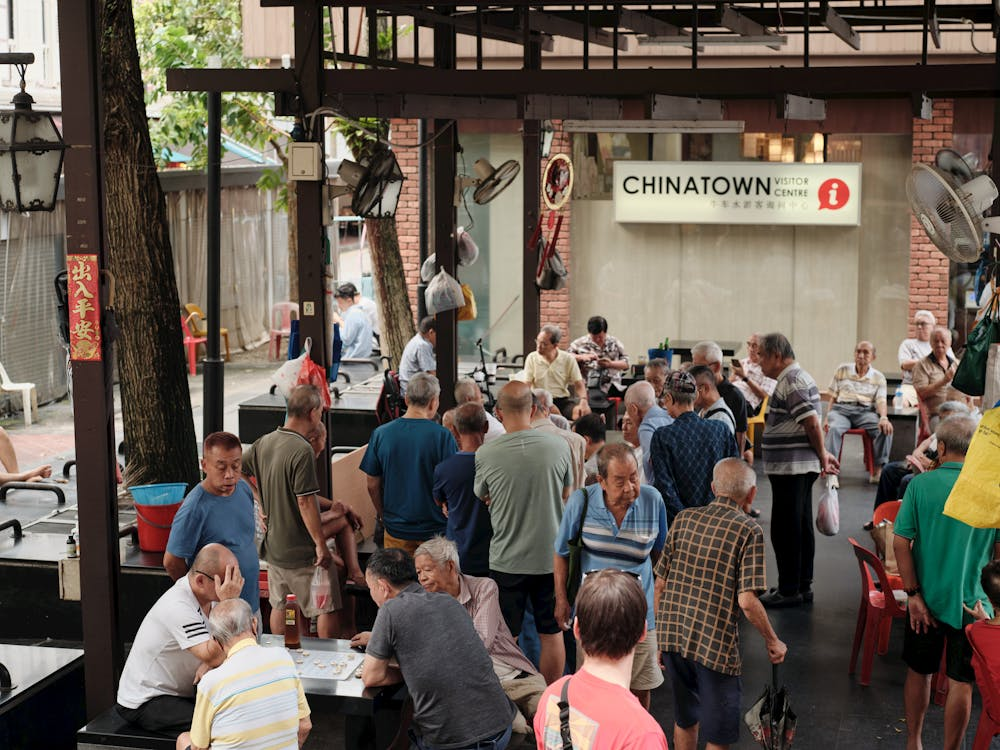
Well, this is because hawker centres offer more than just a meal.
They offer a sense of community and a nostalgic trip back to our childhood.
Food delivery apps, on the other hand, reduce the experience to a mere transaction.
This charm of hawker culture lies not just in the food, but in the atmosphere, the sounds, and the smells.
By opting for delivery, we’re essentially sacrificing these intangible aspects of the dining experience.
Embracing The Digital Age: Hawkers Who Adapt
Source: Pexels
Not all hawkers are resistant to the changing tide, however.
Some have taken to embracing the digital age, recognising the importance of having an online presence in today’s market.
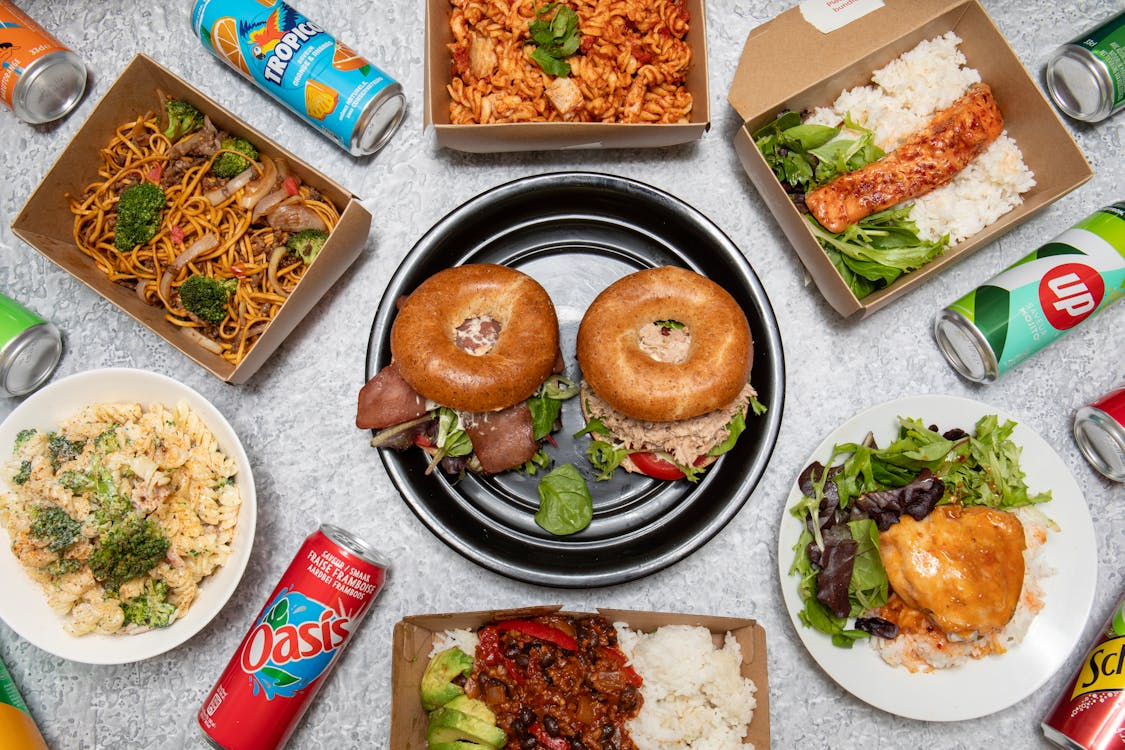
These forward-thinking vendors have learnt to harness the power of food delivery apps to their advantage, leveraging platforms like GrabFood and Foodpanda to reach a wider audience.
By doing so, they’re able to stay afloat in an increasingly competitive market.
Take, for instance, the popular Katong Laksa stall at the Old Airport Road Hawker Centre.
Despite its reputation for serving one of the best laksa in town, the stall’s owner, Lucy, knew she had to adapt to the times.
She partnered with food delivery apps, allowing customers to order her famous dish from the comfort of their own homes.
The move paid off as sales increased and the stall’s reputation continued to grow.
Lucy’s story is a testament to the fact that with the right attitude, traditional hawker culture can thrive in the digital age.
The Double-Edged Sword Of Online Presence
Source: Pexels
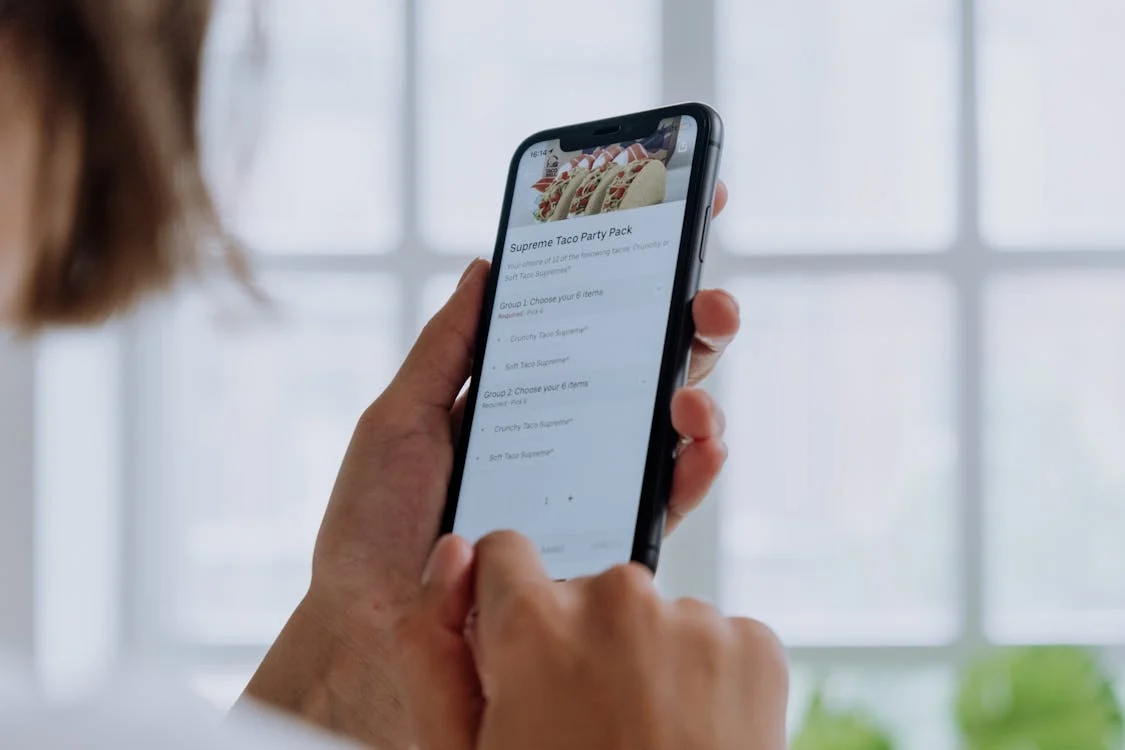
Having an online presence is no longer a luxury, but a necessity for hawkers.
Without it, they risk being left behind in an increasingly online-driven market.
This rise of social media influencers and food bloggers has further amplified the importance of having a strong digital presence.
A single positive review or Instagram post can make or break a stall’s reputation.
However, this increased reliance on digital platforms also poses a threat to the very essence of hawker culture.
Emphasising an online presence can cause hawkers to cater to the masses and conform to the tastes of a broader audience.
The unique, full flavour profiles that once defined hawker food are slowly being lost in the pursuit of online fame.
It’s a delicate balance that hawkers must strike.
They have to maintain their authenticity while still adapting to the demands of the digital age.
The Role Of Government Support
Source: Pexels
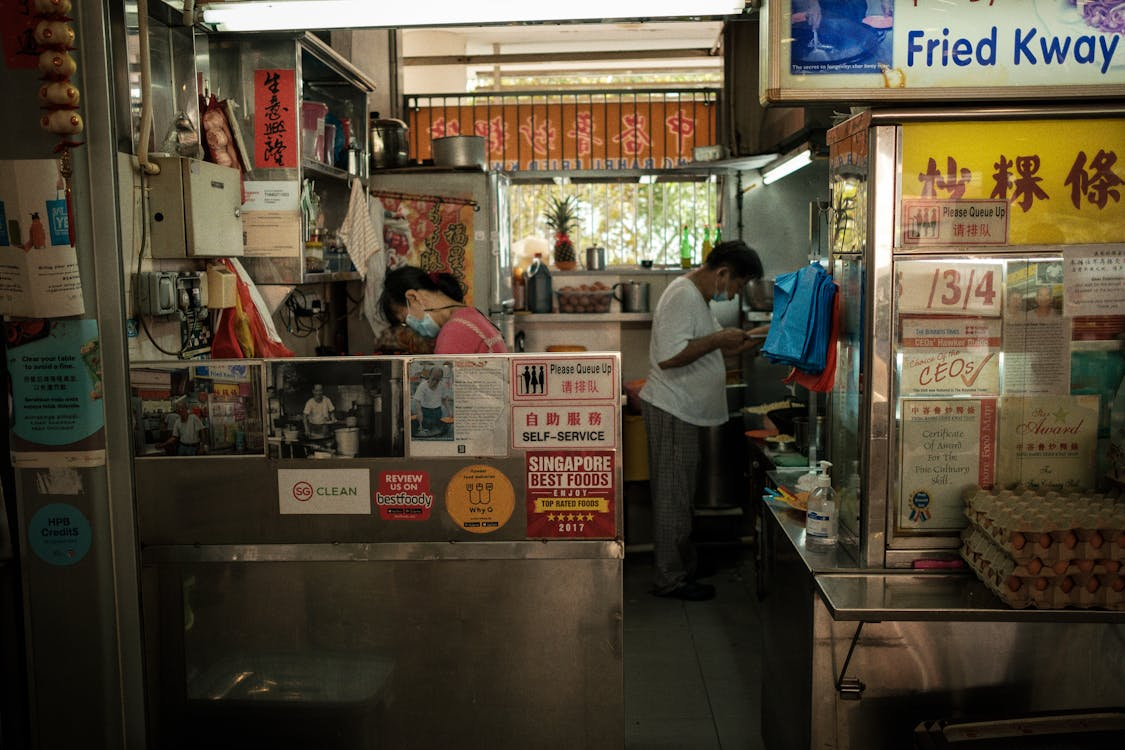
So, what can be done to preserve traditional hawker culture in the face of food delivery apps?
The government has a crucial role to play in supporting these vendors.
Initiatives such as the National Environment Agency’s (NEA) Hawker Centres Upgrading Programme aim to revamp and modernise hawker centres.
Such initiatives would make hawker centres more appealing to the younger generation.
Furthermore, the government can provide financial support and resources to help hawkers digitalise their businesses.
This could include workshops on social media marketing, online ordering systems, and digital payment solutions.
By empowering hawkers with the tools they need to succeed in the digital age, the government can help preserve the heritage of traditional hawker culture.
The Onus On Consumers To Consume!
Source: Pexels
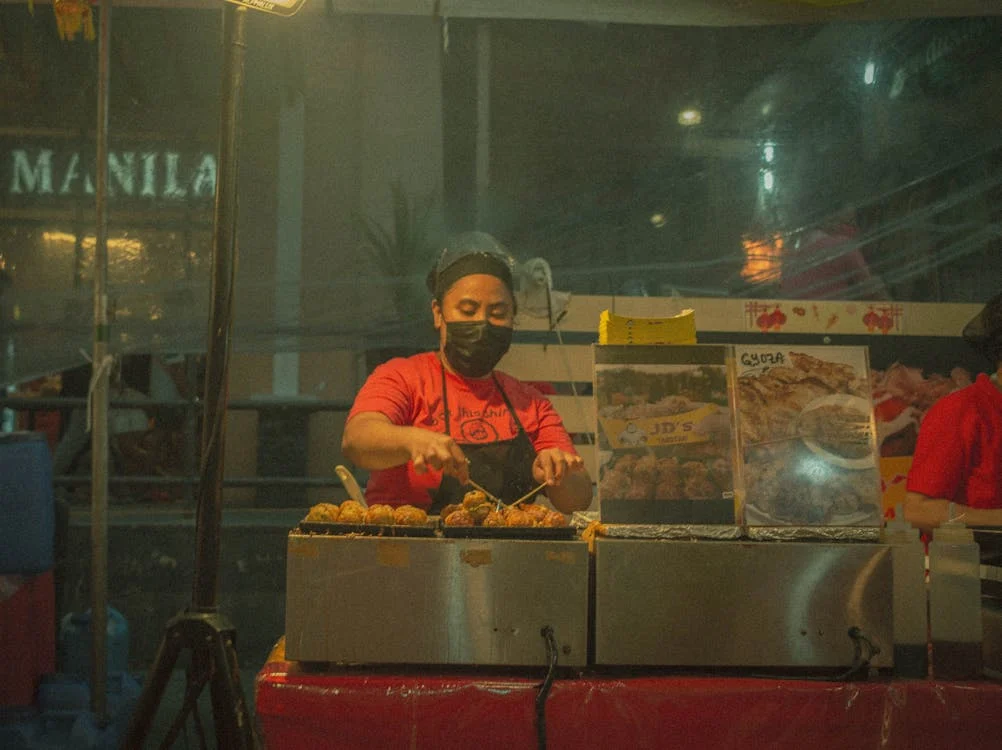
Ultimately, the fate of traditional hawker culture lies not just in the hands of hawkers and the government, but also in those of the consumers.
We have the power to choose where and how we spend our dining pounds.
By supporting hawkers who have adapted to the digital age, we’re sending a clear message that we value the unique experience and flavours they offer.
Additionally, we must also be willing to venture out of our comfort zones and into the heart of hawker centres.
It’s only by immersing ourselves in the sights, sounds, and smells of these vibrant spaces that we can truly appreciate the beauty of traditional hawker culture.
So, the next time you’re craving a plate of char kway teow, consider ditching the delivery app and heading down to your local hawker centre instead.
Currently, it’s essential that we preserve the intangible aspects of traditional hawker culture: the sense of community and the nostalgia.
These are the very elements that make hawker centres so special, and they’re what set them apart from the sterile, impersonal experience of food delivery apps.
The Future Of Hawker Culture
Source: Pexels
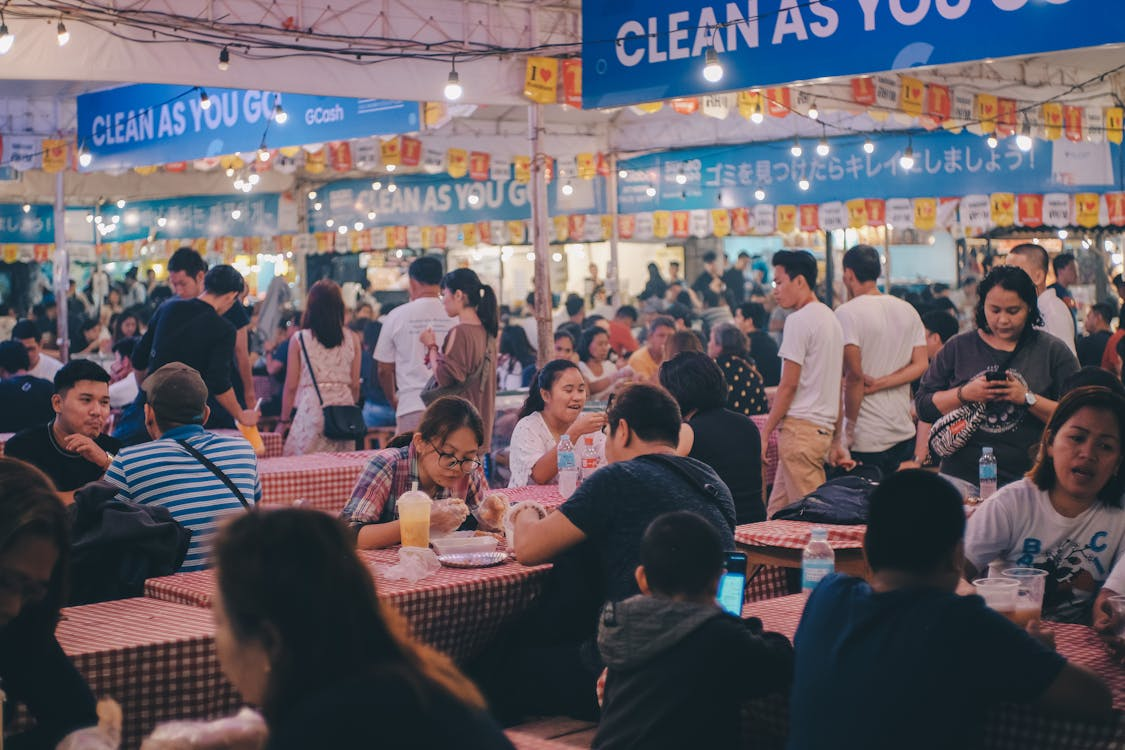
The rise of food delivery apps has undoubtedly changed the landscape of traditional hawker culture.
While some may mourn the loss of the old days, it’s heartening to see that many hawkers are adapting and evolving to meet the demands of the digital age.
As consumers, it’s up to us to support these efforts and to preserve the unique experience that hawker centres offer.
In the end, it’s not a question of whether food delivery apps are ruining traditional hawker culture.
Rather, it’s about finding a balanced approach that allows us to appreciate the convenience of technology while still preserving the essence of hawker culture.
By supporting our local hawkers, we can ensure that this unique aspect of our heritage continues to thrive for generations to come.
Related to Food Delivery Apps: