

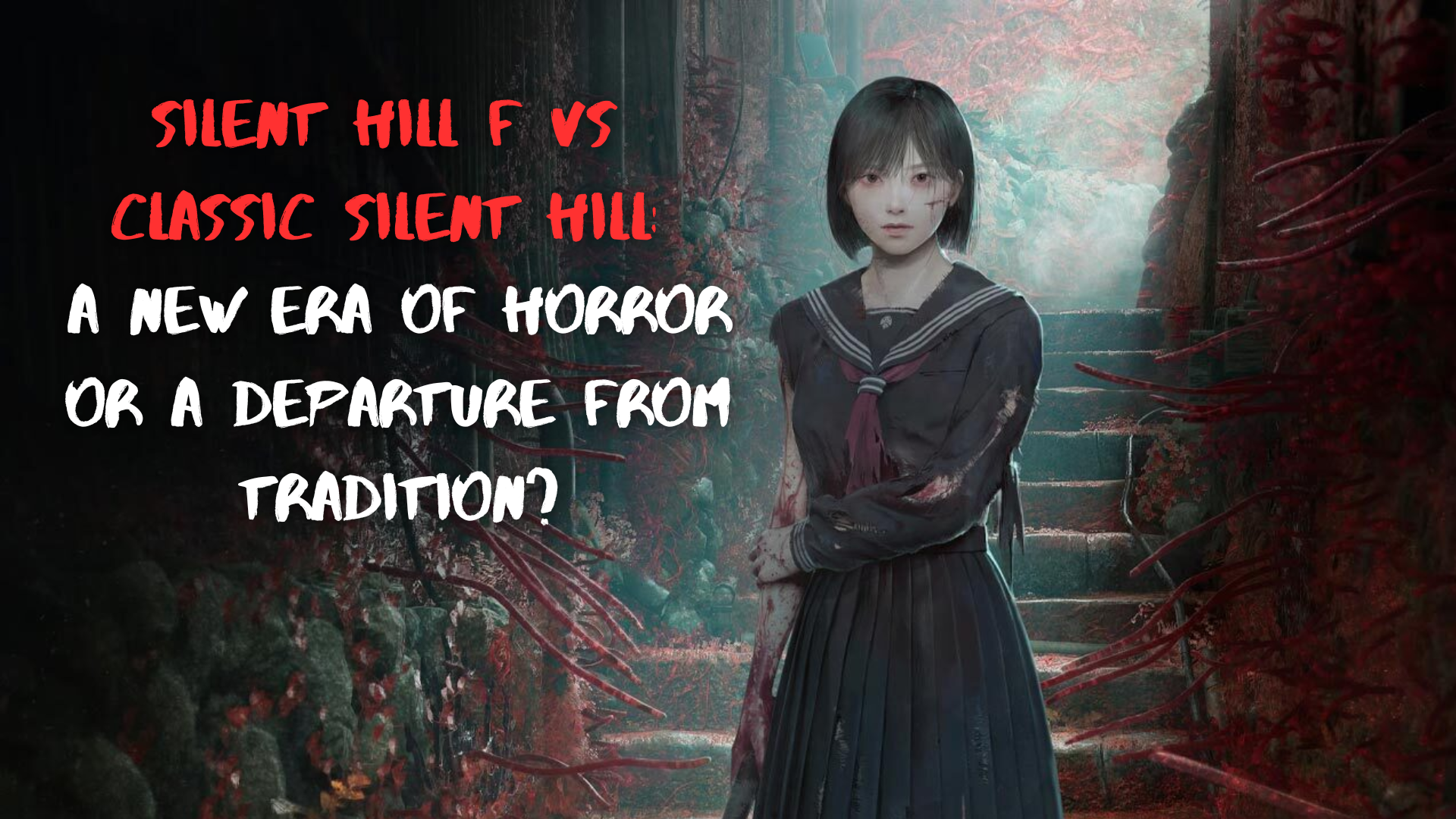
The Silent Hill series has always been a huge name in horror, setting the bar for creepy atmosphere, foggy streets, and stories that really get under your skin.
For a lot of fans, the older games weren’t just about monsters; they were about facing inner fears and trauma in a way few other games dared to tackle.
Now with Silent Hill f, Konami has decided not to stick with the old formula but instead take the franchise somewhere totally new: 1960s rural Japan.
Instead of rusted hospitals and American small-town dread, we’re getting folklore-inspired horror and a different kind of cultural tension.
This change has split the community.
Some see it as a fresh, exciting step that breathes new life into the series, while others worry it’s drifting too far from what made Silent Hill so iconic.
Setting & Cultural Identity: From Rural America To 1960s Japan
Source: Konami
One of the biggest shake-ups in Silent Hill f is the setting.
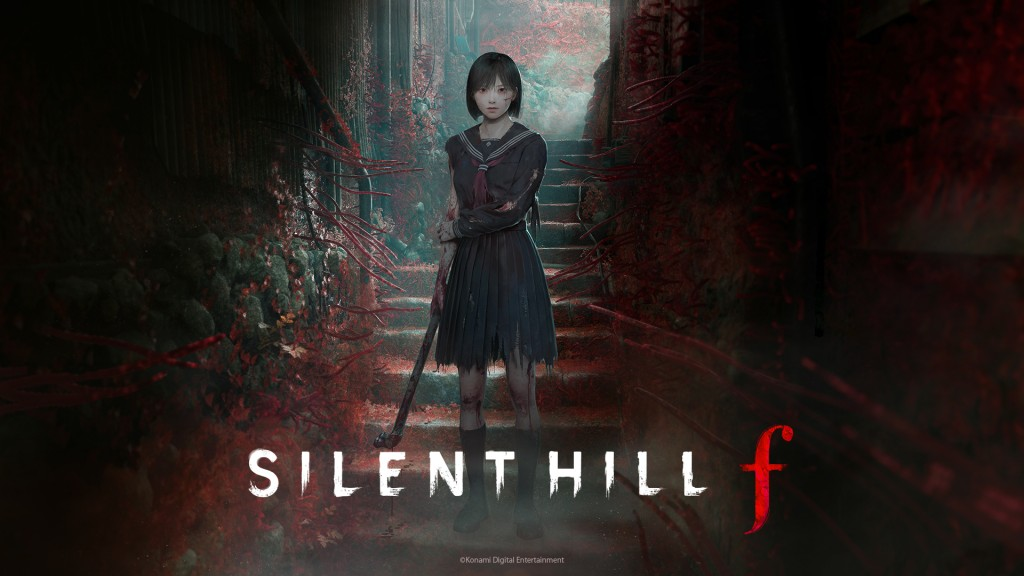
Instead of the foggy American town we all know, the game drops us into 1960s Japan, in a small rural village called Ebisugaoka.
It’s a huge shift, and honestly, it changes the whole vibe of the series.
The classic Silent Hill games leaned on small-town America tropes.
Empty streets, cult symbolism, and that mix of industrial rot and decay.
Silent Hill F, on the other hand, builds its horror out of Japanese folklore, traditions, and social pressures, especially around being a young woman in that time period.
Personally, I think it’s a smart move—it makes the game feel unique while avoiding being just another retread of the old formula.
But at the same time, it makes me wonder: will this still feel like Silent Hill, or are we really playing something entirely new with the name attached?
Gameplay Mechanics: Modernised Combat VS. Classic Vulnerability
If you’ve played the older Silent Hill games, you’ll remember how clunky the combat felt—on purpose.
Swinging a pipe was slow, aiming was awkward, and every fight felt like a gamble.
That was part of the tension; you weren’t supposed to feel powerful, you were supposed to feel desperate.
Silent Hill f flips that idea on its head with modern mechanics like dodging, counterattacks, and stamina-based combat.
It definitely makes fights feel smoother and more in line with current survival horror trends.
But I can’t help wondering if that polish takes away from the raw fear that came from struggling to survive.
On one hand, the updated combat might bring in new players who would’ve bounced off the old controls.
However, longtime fans might miss that feeling of vulnerability that made every encounter in the classics so terrifying.
Atmosphere, Visuals & Signature Aesthetic Elements
The atmosphere has always been the heart of Silent Hill.
Back in the day, the thick fog wasn’t just creepy; it also cleverly hid the limits of the PS1 and PS2.
It made every corner feel uncertain, every step heavier.
Silent Hill f keeps the fog, but with modern graphics, it doesn’t have to hide anything anymore.
Instead, it layers eerie beauty over Japanese landscapes, shrines, rice fields, and old wooden houses before twisting them into something nightmarish.
Some players have even modded the fog out just to show off the visuals, which sparked a debate about whether clear graphics make things scarier or less unsettling.
The mix of natural beauty and horror gives f a very different vibe than the industrial decay of the classics. It’s gorgeous, but is it too gorgeous for Silent Hill?
Narrative & Thematic Focus: Psychological VS. Folklore Horror
The old Silent Hill games were masters of psychological horror.
Characters like James in Silent Hill 2 weren’t just running from monsters—they were running from themselves.
Every creature, every nightmare, was tied to guilt, grief, or trauma.
That’s what made those stories hit so hard. Silent Hill f takes a different route.
Instead of digging into personal demons, it leans into Japanese folklore and cultural fears from the 1960s.
The main character is a teenage girl, and the horror reflects not just supernatural threats but also the crushing social expectations of that time.
It’s a fresh perspective, and I actually love that it gives the series a new kind of cultural depth.
But at the same time, it feels less intimate than the classics.
It’s less about what’s inside your head and more about the world around you, still scary, but in a different way.
Legacy Elements: What Remains From The Old, What’s Transformed
Source: IGN Southeast Asia
Even with all the big changes, Silent Hill f still feels connected to the series in some ways.
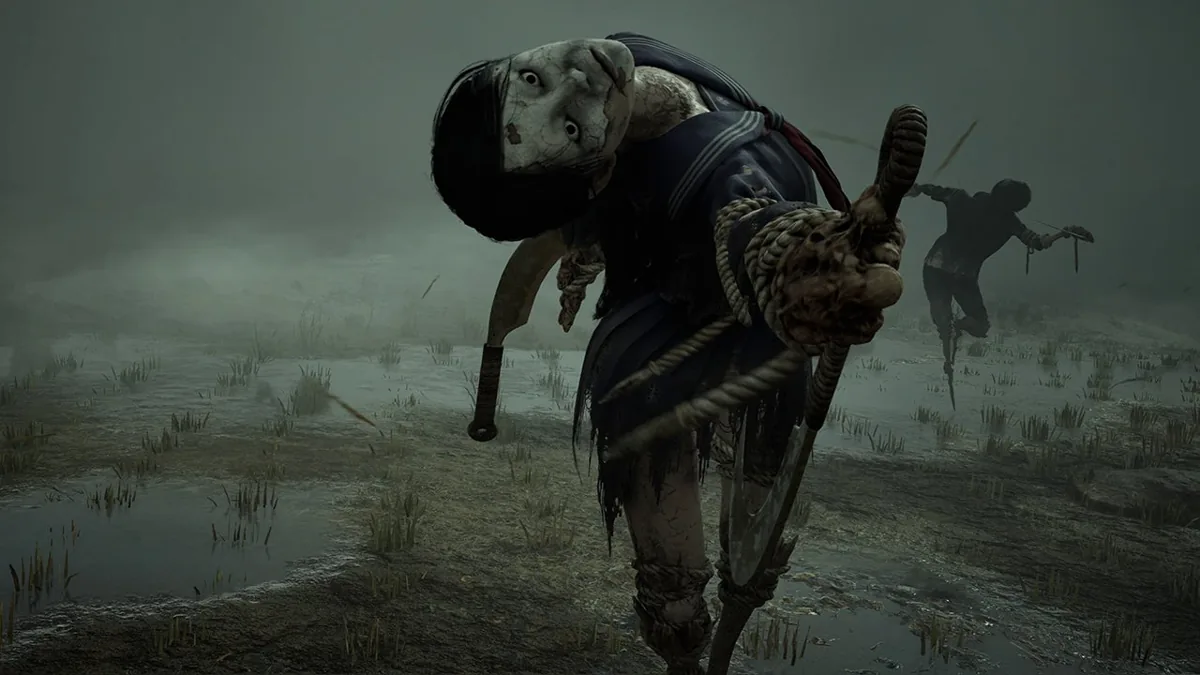
The creepy “Otherworld” still pulls you into twisted versions of reality, and there are plenty of unsettling little details in the environments.
Notes, objects, weird room layouts—that hint at hidden stories.
It also brings back series staples like multiple endings and sound design that makes you want to check over your shoulder.
But then again, a lot has shifted.
Instead of rusted hospitals and grimy factories, the horror now spreads through fungal growths and overrun landscapes.
Combat feels sharper and more action-driven, too.
Reception & Fan Expectations: Nostalgia VS. Innovation
The reaction to Silent Hill f has been pretty split, which honestly feels fitting for such a bold reboot.
While the game’s launch on Steam got a strong 88% positive rating, with players praising its atmosphere and story direction.
On the other hand, a lot of long-time fans feel it’s missing that raw, psychological punch the classics had.
And I get it—this isn’t the Silent Hill of foggy American streets and guilt-ridden characters.
But maybe that’s the point.
The series was never meant to stand still, and Silent Hill f shows Konami is finally willing to experiment again.
For me, it’s less about whether Silent Hill f “matches” the old games and more about whether it can carve out its own identity.
And honestly?
I think it already has.
Related To Gaming: