


In today’s world, taking care of our dental health often takes a backseat amidst our busy schedules.
But with the abundance of misinformation available online, it’s no wonder we’re left with a plethora of questions regarding dental hygiene.
This article delves into some of the most Frequently Asked Questions (FAQs) about dental care, including the age-old conundrum of whether to brush teeth before or after breakfast.
Brushing Before Or After Breakfast: What’s The Answer?
Source: Pexels
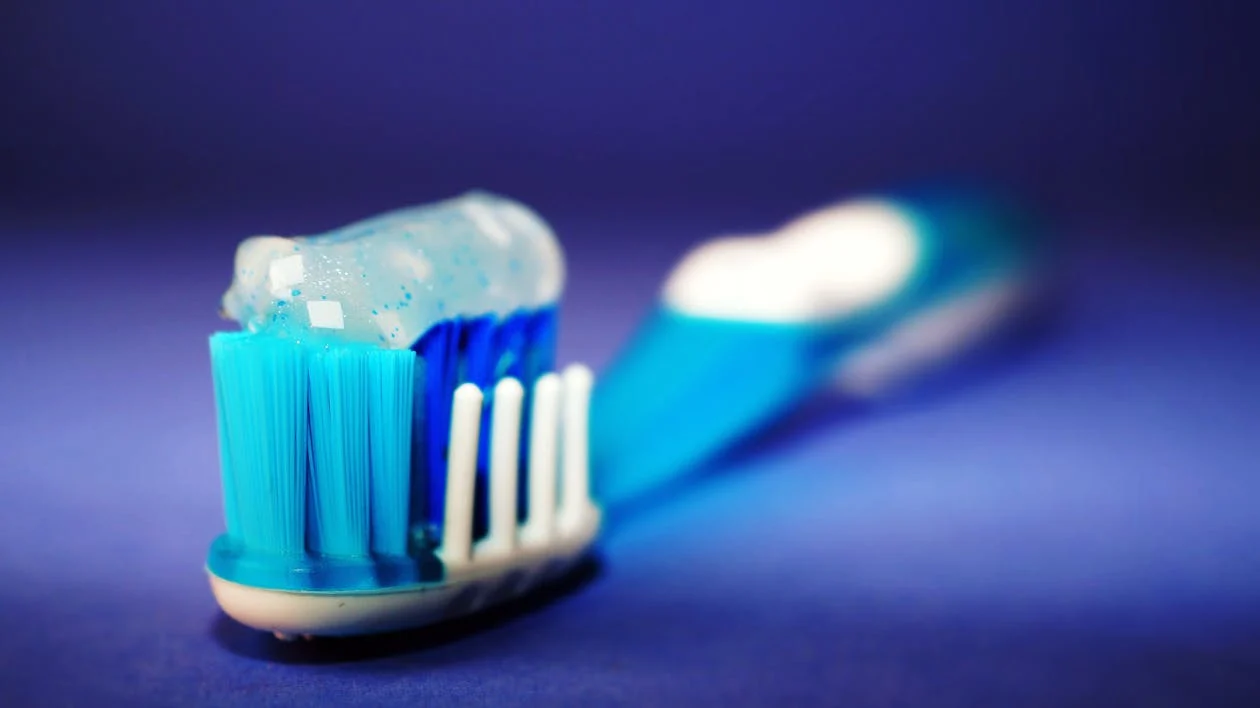
It is recommended to brush teeth at least twice a day, but what’s the optimal timing?
Brushing teeth before breakfast may help remove any bacteria or plaque that accumulated overnight, but it may not be the most effective approach.
Think about it: if you brush your teeth before eating, you’re essentially brushing away the fluoride toothpaste, which is meant to protect your teeth throughout the day.
On the other hand, brushing after breakfast may help remove any food particles and sugars that can contribute to tooth decay.
So, what’s the verdict?
It is suggested to brush teeth after breakfast, but before starting the day.
In reality, the timing isn’t as crucial as the consistency and technique of one’s brushing routine.
Whether one brushes before or after breakfast, make sure to brush for at least two minutes, use a fluoride toothpaste, and don’t forget those hard-to-reach areas.
The Right Order to Flossing, Mouthwash, Brushing, And Scrubbing
Source: Pexels
Another common question people face is the correct order of their oral hygiene routine.
Should one floss before or after brushing?
What about mouthwash?
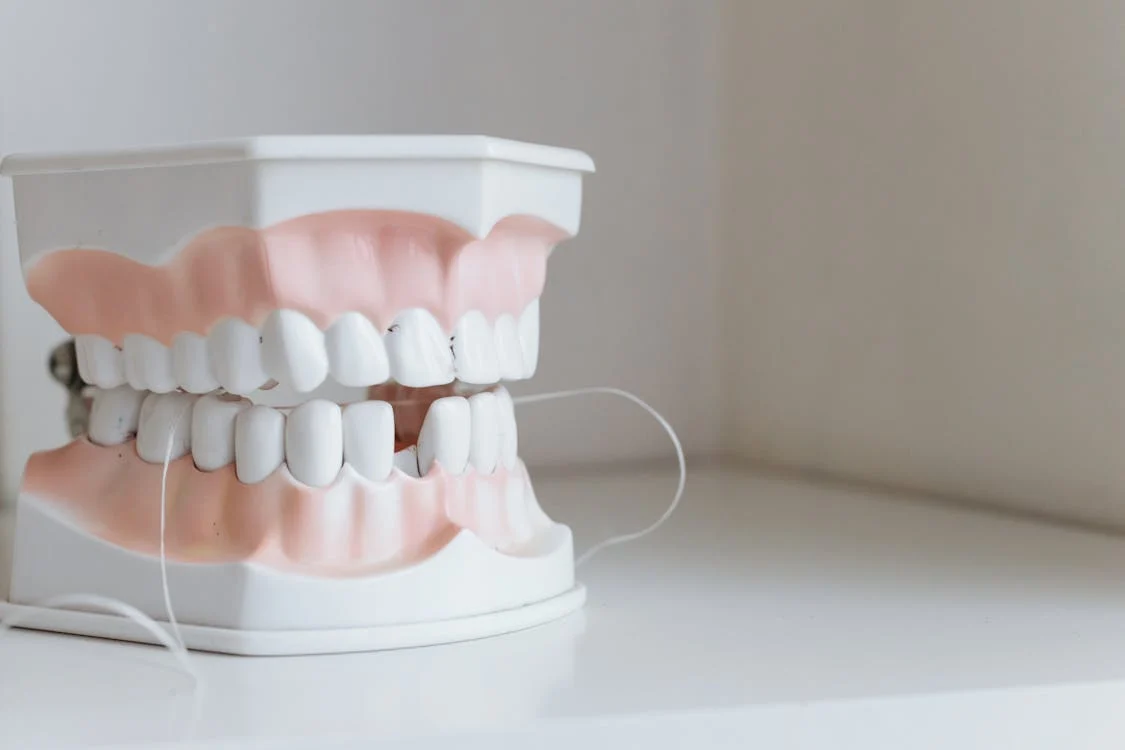
To set the record straight, here’s the ideal sequence: flossing, brushing, mouthwash, and finally, tongue scraping.
Flossing removes any food particles and plaque from between the teeth, while brushing tackles the surfaces.
Mouthwash adds an extra layer of protection against germs and bacteria, and tongue scraping helps remove any bacteria that can contribute to bad breath.
How To Get Rid Of Bad Breath?

Source: Pexels
Bad breath, or halitosis, is a common issue many face.
But what’s the root cause, and how can one eliminate it?
There are several reasons behind bad breath, including poor oral hygiene, gum disease, dry mouth, and even certain medications.
To banish bad breath, start by brushing and flossing regularly, and don’t forget to scrape the tongue.
Additionally, staying hydrated and avoiding sugary or acidic foods can help reduce the risk of bad breath.
Are Mints Effective for Bad Breath?

Source: Pexels
Mints may provide a temporary fix for bad breath, but they’re not a long-term solution.
In fact, some mints can even exacerbate the issue by drying out the mouth, making it a breeding ground for bacteria.
Instead, opt for sugar-free gum or lozenges that stimulate saliva production, which can help neutralise acids and wash away bacteria.
How Often Should One Go For A Dental Check-Up?
Source: Pexels
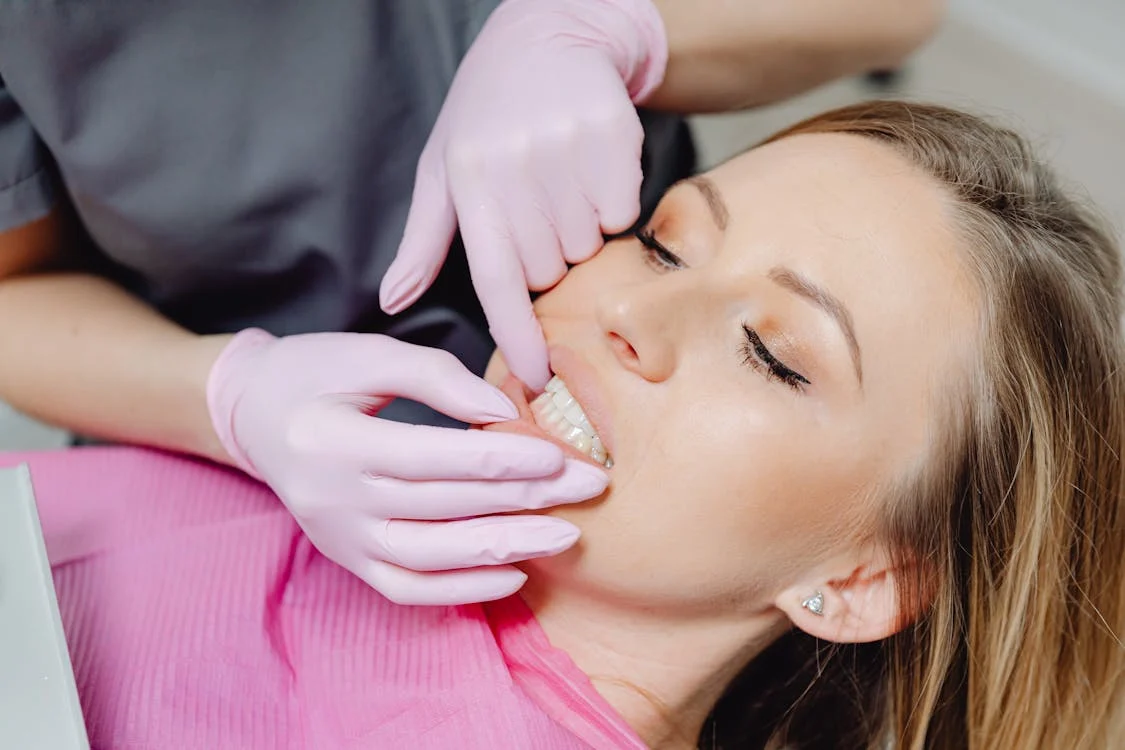
Regular dental check-ups are crucial for maintaining good oral health.
The frequency of visits depends on one’s individual needs, but as a general rule, most dentists recommend scheduling a check-up every six months.
This allows dentists to catch any potential issues early on, preventing more severe problems from developing.
The Confusing World Of Toothpaste Variations
Source: Pexels
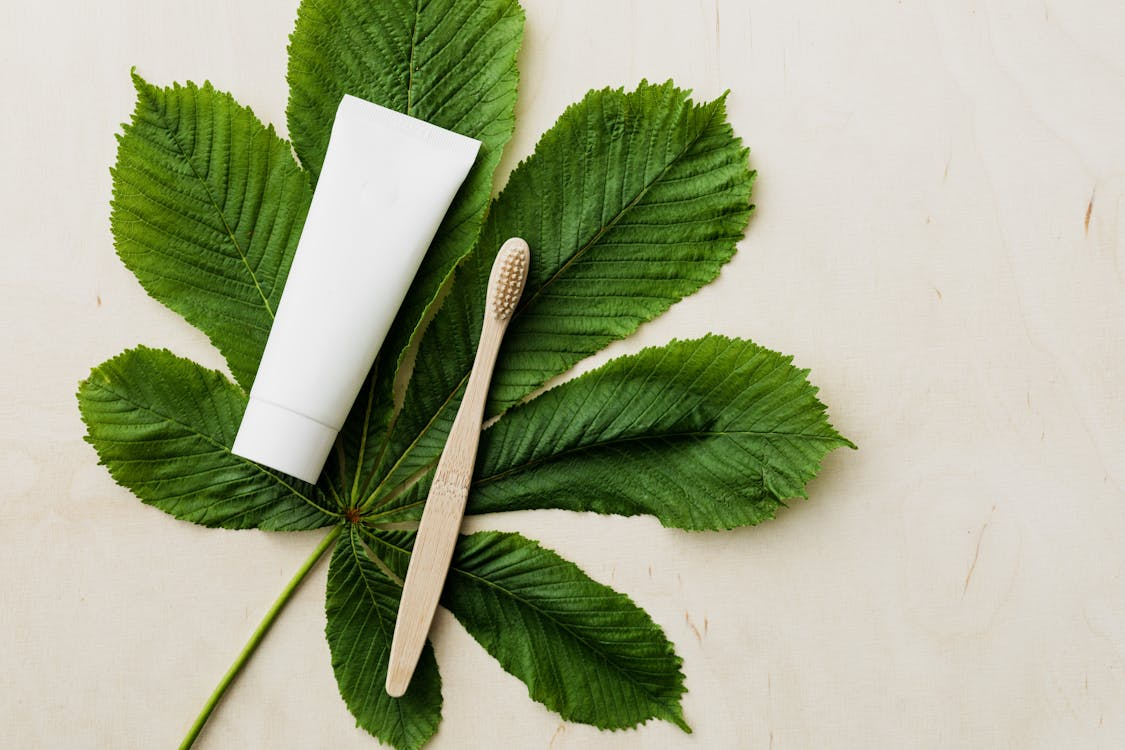
Walk into any supermarket, and one would be bombarded with a plethora of toothpaste options.
From whitening to sensitive teeth, tartar control to natural ingredients, it’s easy to get overwhelmed.
So, what’s the difference, and which one is right?
In reality, most toothpastes are designed to cater to specific oral health needs.
If unsure, consult with a dentist to determine the best toothpaste.
Dental Products That Aren’t Useful
Source: Pexels
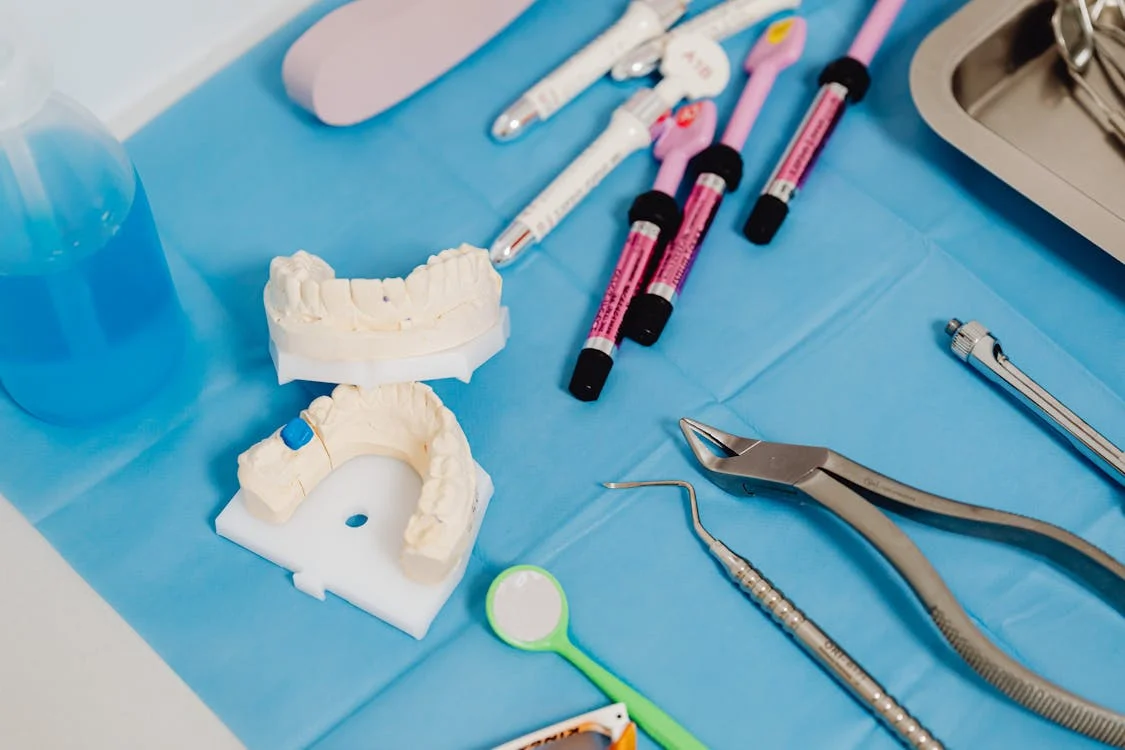
Not all dental products are created equal.
Some, like mouthwash with high levels of alcohol, can even be detrimental to one’s oral health.
Others, like whitening toothpaste, may not be as effective as they claim.
When it comes to choosing dental products, it’s essential to consult with a dentist and read reviews from credible sources.
What Is Tooth Decay, Anyway?
Source: Pexels
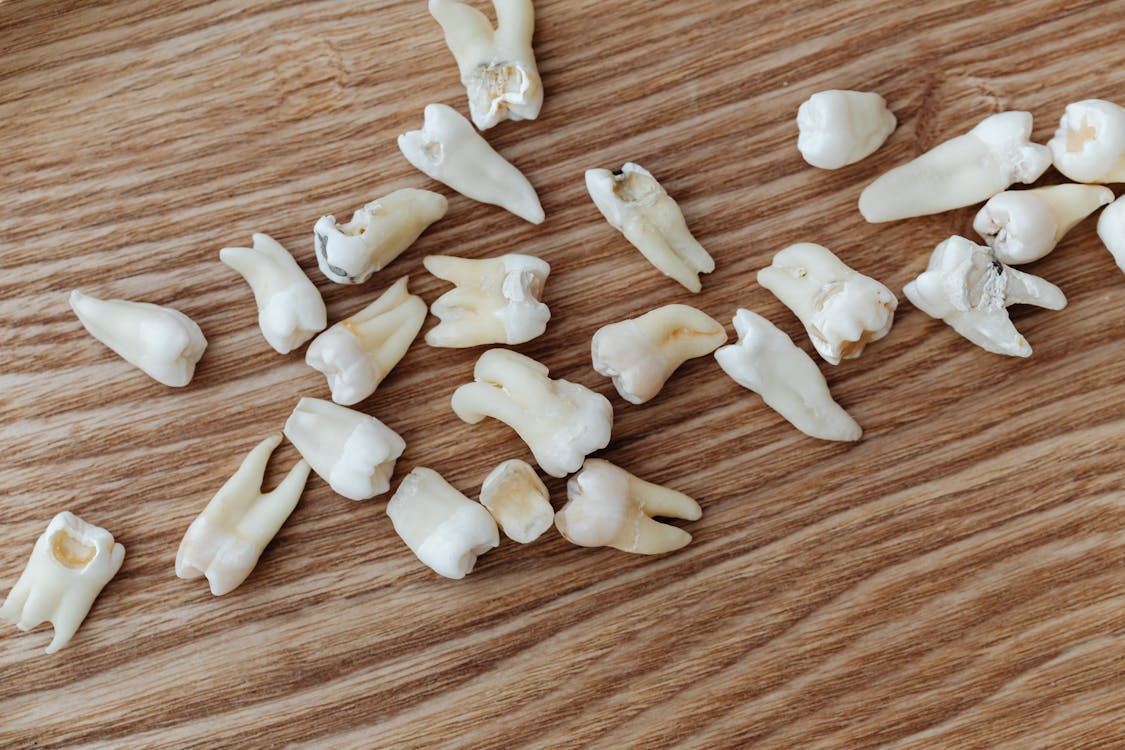
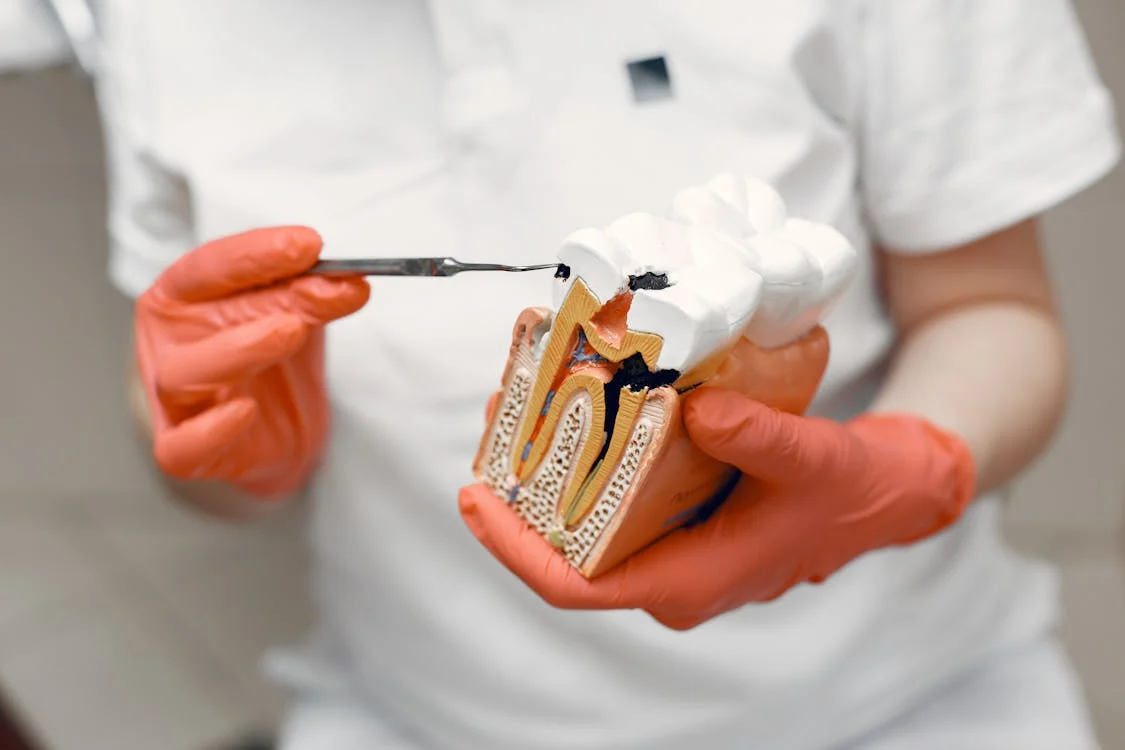
Tooth decay, or cavities, is a bacterial infection that destroys the tooth structure.
It’s caused by a combination of factors, including poor oral hygiene, sugary diets, and inadequate fluoride exposure.
When bacteria in your mouth break down food particles, they produce acid, which erodes the tooth enamel, creating cavities.
Such decay can be prevented with regular brushing, flossing, and dental check-ups.
After All This Jaw-Dropping News…
Source: Pexels
In conclusion, taking care of one’s dental health is a multifaceted approach that involves more than just brushing teeth.
By understanding the optimal timing of one’s brushing routine, following the correct order of the oral hygiene routine, one can maintain a healthy, happy smile for years to come.
Remember that one’s dental health is a reflection of their overall well-being, so take the time to prioritise it.
Related to Dental Hygiene: