
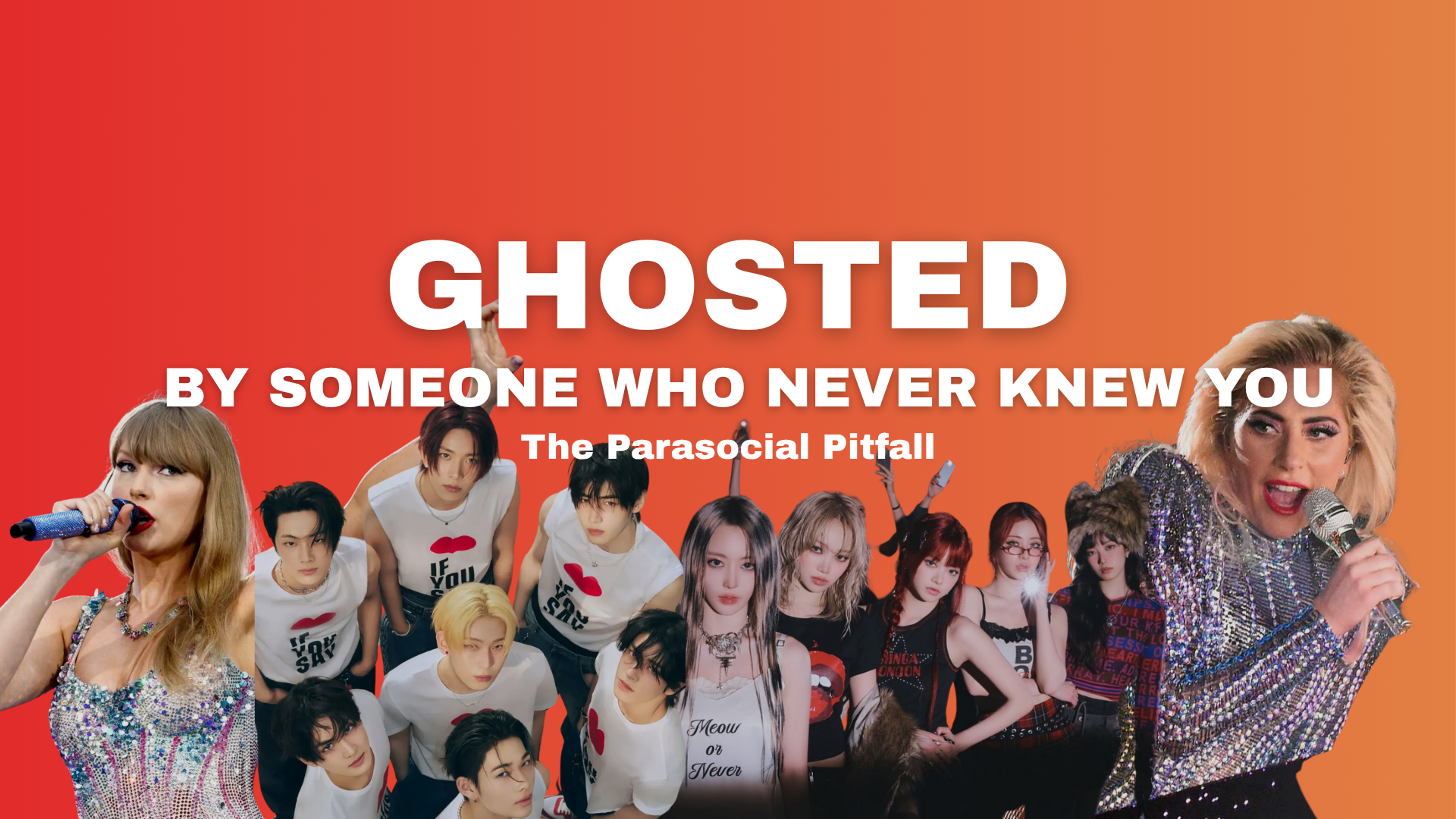
You know everything about them.
Their birth date and time, their zodiac sign, the names of their family members, where they grew up, and where they live now.
From their favourite foods to what they’re allergic to.
You follow every social media post and watch every Instagram or TikTok live.
When they cry, you cry.
When they laugh, you laugh.
Plot twist, they probably couldn’t care less about you and most likely don’t know you exist.
Liking, Following…and Falling Too Hard
Parasocial relationships, a ubiquitous phenomenon in today’s socially mediated world, blur the lines between admiration and obsession.
While often associated with extreme fan behaviour, these one-sided connections with media personas are, in fact, a normal part of life.
It’s more than likely you’ve engaged in one or two yourself, even without realising it.
The ubiquity of social media has increased the likelihood of people developing parasocial relationships.
Do Parasocial Relationships Only Include Celebrities?
Such relationships don’t only include celebrities or big influential figures.
2D fictional or virtual characters are no exception.
Platforms like TikTok and Twitch provide users with features that enable two-way interaction, creating an illusion of accessibility and reciprocity, further enabling parasociality.
Simulator games like Love and Deepspace let players adopt the female lead’s perspective to interact with the virtual eligible bachelors designed with 3D character modelling.
This sense of connection can lead to a deeper investment in the other person’s success, and in some cases, a sense of ownership.
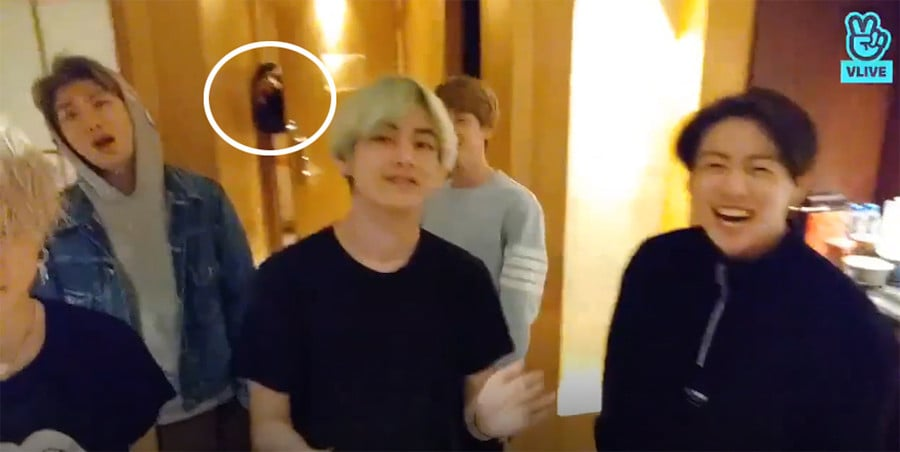
Perhaps you lived vicariously through Lady Gaga when she sang “Born This Way” or find yourself rewatching your favourite Kpop Idol Boy-group Vlive, inspecting the background to find out if he’s dating or not.
But it’s always a one-way street. While you feel somehow connected to the celebrity, the celebrity isn’t even aware of the connection.
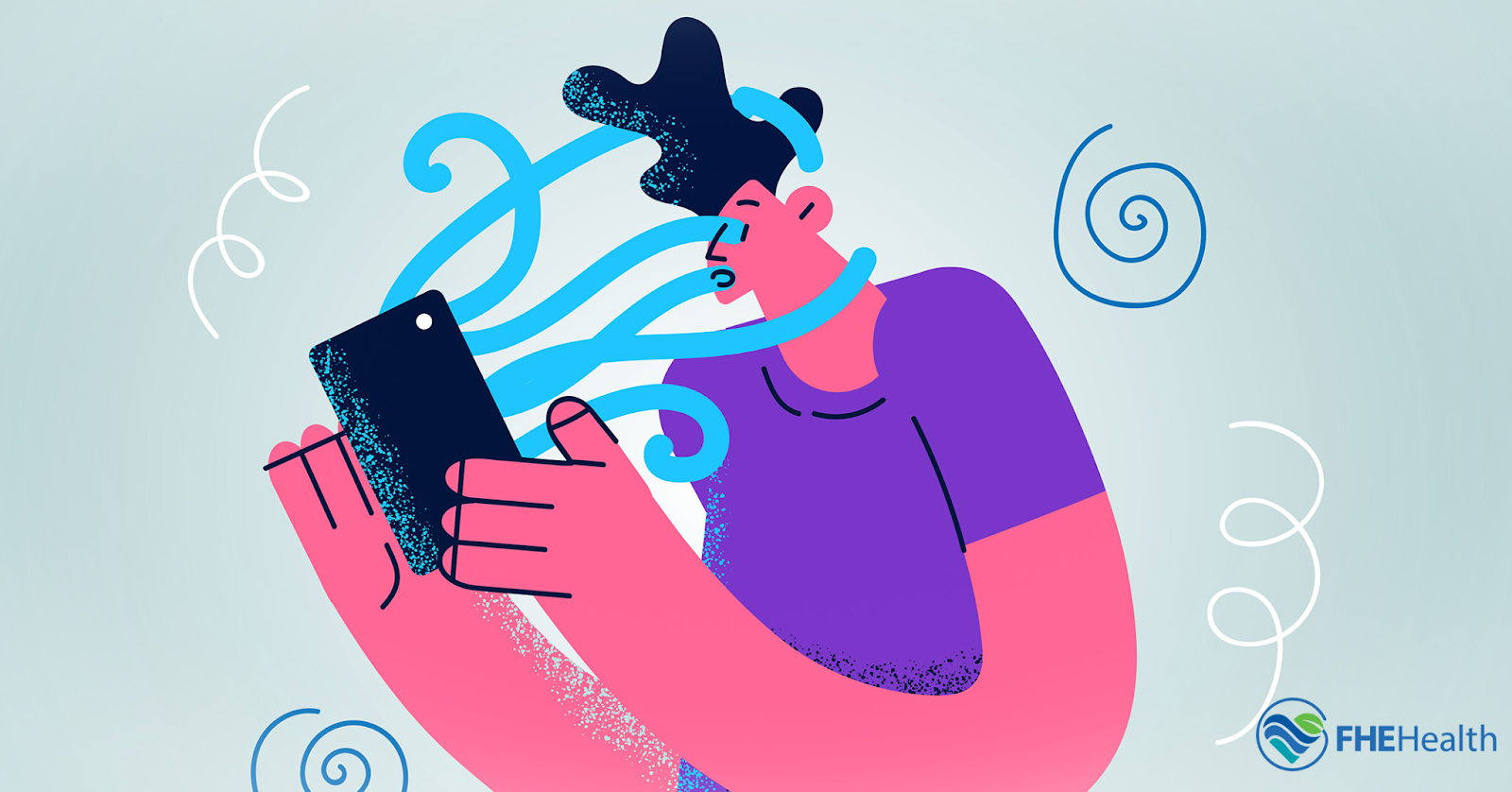
Three Types Of Parasocial Relationships
Source: FHE Health
Social Relationships
The first stage and perhaps least intense, is recognised by its light-hearted nature, mainly evoking feelings of entertainment.
Personal Relationships
These relationships are a step up, involving deep attachment to the person of interest, and can begin to affect real-life social interactions.
Pathological Relationships
This is the most severe stage of having a parasocial relationship, often compromising compulsive and extreme behaviours such as stalking or violence.
Parasocial Relationships Play A Strong Role In Shaping Identity
Parasocial relationships can significantly influence an individual’s sense of identity.
You may adopt the same values and beliefs your idol has, using them to shape your sense of self.
This phenomenon is particularly seen in fandoms, where individuals bond over shared interests and values.
The collective identity formed through these relationships can provide a sense of belonging and community.
Dangers Of Parasocial Relationships
Source: allkpop
While parasocial relationships are not always bad and can be positive and empowering, they often come with negative consequences.
Over-attachment can lead to feelings of envy, jealousy, and dissatisfaction.
In extreme cases, fans may exhibit toxic behaviour, such as stalking or harassment.
This is reflected in the Kpop world, these stalker fans are called ‘Sasaengs’, infamous for invading idols’ personal and private spaces without consent.
The distress caused by a parasocial relationship can be intense, and individuals may struggle to reconcile their internal conflict.
Such relationships can impact one’s mental health. Though they can provide emotional support and a sense of connection, they can cause low self-esteem, anxiety, and depression.
It is important to keep a healthy perspective and understand the distinction between yourself and the media persona.
Idolisation Can Lead To Toxic Behaviour
Idolization can be detrimental to both the fan and the celebrity.
This creates unrealistic expectations and can lead to a dehumanising perspective, where the celebrity is seen as infallible.
This can have negative consequences, such as stifling creativity and promoting toxic behaviour.
One needs to have a balanced perspective, where the celebrity is viewed as a human being with flaws and imperfections.
How Critical Thinking Shields Us From Illusions Of Intimacy

Source: Freepik
Critical thinking is crucial in navigating parasocial relationships.
Fans have to be aware of their motivations and the potential consequences of their actions.
They should view their idols with a humane lens, acknowledging that they are not immune to criticism or mistakes.
By keeping this healthy perspective, you can avoid placing harmful expectations on celebrities.
A critical approach can help individuals maintain a healthy perspective and avoid the pitfalls of over-attachment.
When Connection Becomes A Cage
In an age where likes, comments, and livestreams feel like love letters, it’s easy to mistake visibility for intimacy.
Parasocial relationships aren’t inherently harmful.
But when admiration tips into obsession, or when your well-being depends on someone who doesn’t know your name, it’s time to take a pause.
Recognising this illusion means you care enough to set boundaries.
You can still watch, admire, and cheer them on.
Just don’t lose yourself in the process.
Related To Mental Health:
Navigating Mental Health Challenges and Embracing Personal Growth