


Gone are the days when playdates were impromptu.
Or when having a meal with a friend was as easy as going to the mall after school.
Spending time with our friends or loved ones looks more like a Google Calendar meeting, “booking” weeks or even months in advance.
Friendships have gone from playdates to calendars.
Adult friendships require a level of effort and dedication that often seems daunting.
As we navigate the ups and downs of life, it’s easy to let friendships fall by the wayside.
But why is it so hard to make new friends as adults, and what makes it even more challenging to maintain those relationships?
Adult Friendship: An Elusive Art

Source: Adobe Stock
Making friends as an adult is like trying to find a needle in a haystack.
You’re no longer confined to a classroom or a small social circle, which means the pool of potential friends is vast, but also overwhelming.
You’re left to navigate the complex web of social interactions, trying to find someone who shares your interests, values, and sense of humor.
It’s like trying to find a matching puzzle piece in a sea of mismatched ones.
Adults struggle to form close bonds with new friends because they’re often set in their ways.
They’ve established their routines, habits, and social circles, making it difficult to integrate new people into their lives.
It’s like trying to add a new piece to a completed puzzle: It’s nearly impossible to fit in.
The Friendship Dip in Adulthood
Research suggests that there’s a natural decline in friendships during adulthood, particularly during the twenties and thirties.
This phenomenon is often referred to as the “friendship dip.” It’s a time when people are focused on building their careers, starting families, and establishing their independence.
Friendships take a backseat, and it’s easy to let them dwindle.
One reason for the dip in friendships is the sheer amount of time and energy required to maintain relationships.
As adults, we’re no longer forced to spend time with others in a classroom or at work.
We have to make a conscious effort to stay in touch, which can be exhausting. It’s like trying to keep a fire burning without any fuel.
It’s bound to fizzle out eventually.
Social Media’s Alluring Pull
Social media has changed the game when it comes to adult friendships.
On the surface, it is a great way to stay connected with friends and make new ones.
But in reality, social media can be a barrier to forming deep, meaningful connections.
We’re bombarded with curated highlight reels, making it easy to feel like we’re not good enough or that our lives aren’t exciting enough.
Social media also creates a false sense of connection. We think we’re staying in touch with friends because we’re liking and commenting on their posts.
But in reality, we’re not having real, meaningful conversations.
It’s like trying to hug someone through a screen.
We Fear Rejection From Others

Source: Anchor Therapy
One major obstacle to making new friends as an adult is the fear of rejection.
We’re afraid to put ourselves out there, to be vulnerable and open, because we’re scared of getting hurt.
Like asking someone out on a date, the fear of rejection is always lurking in the back of our minds.
This fear is often rooted in past experiences of rejection or trauma.
We’ve been burned before, so we’re hesitant to try again.
But the truth is, rejection is a natural part of life, and it’s not a reflection of our worth as people.
We have to be willing to take risks and put ourselves out there, even if it means getting hurt.
The Power of Shared Experiences

Source: Pexels
One way to form strong bonds with new friends is to share meaningful experiences.
This could be anything from taking a cooking class to going on a road trip.
When we share experiences, we create common ground and a sense of camaraderie that’s hard to find in everyday conversations.
Shared experiences also provide a sense of accountability.
When we’re invested in a shared activity, we’re more likely to follow through and show up because we’re part of a team, working towards a shared goal.
Scheduling Is Key To Maintaining Relationships
Adult friendships require a level of commitment and dedication that can be difficult to maintain.
One way to prioritize friendships is to schedule regular check-ins, whether it’s a weekly coffee date or a monthly dinner party.
This helps to ensure that we’re making time for our friends, even when life gets busy.
Scheduling can also help to alleviate the pressure of having to constantly come up with new ideas or activities.
When we have a set schedule, we can relax and enjoy each other’s company, without feeling like we need to be constantly entertaining.
Vulnerability Is Valuable
Source: TED Ideas
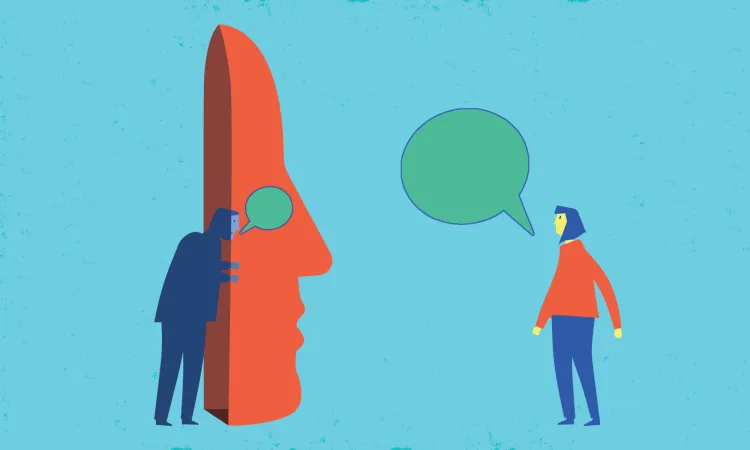
Vulnerability is key to forming deep, meaningful connections with others.
When we’re willing to be open and honest, we create an environment of trust and understanding.
It’s like taking off a mask and revealing our true selves – it’s liberating and empowering.
Vulnerability also helps to break down barriers and create a sense of intimacy.
When we’re willing to be vulnerable, we’re more likely to form strong bonds with others.
The Benefits of Friendship
Despite the challenges of making and maintaining friendships as adults, the benefits are well worth the effort.
Friendships provide a sense of belonging, support, and connection that’s essential to our well-being.
They help us to feel seen and heard, and they provide a sounding board for our thoughts and feelings.
Friendships also help us to grow and develop as people.
When we surround ourselves with people who are different from us, we’re exposed to new ideas, perspectives, and experiences.
This allows us to embrace each other’s humanity and not distance ourselves because of our differences.
Embracing the Effort of Adult Friendships
Making and maintaining friendships as adults requires effort, dedication, and a willingness to be vulnerable.
It’s not always easy, but the benefits are well worth the challenge.
By prioritizing our friendships, being open to new experiences, and embracing vulnerability, we can create strong, meaningful connections that last a lifetime.
So, let’s put in the effort and make adult friendships a priority.
Our mental health, happiness, and sense of fulfillment depend on it.
Related To Friendship: