

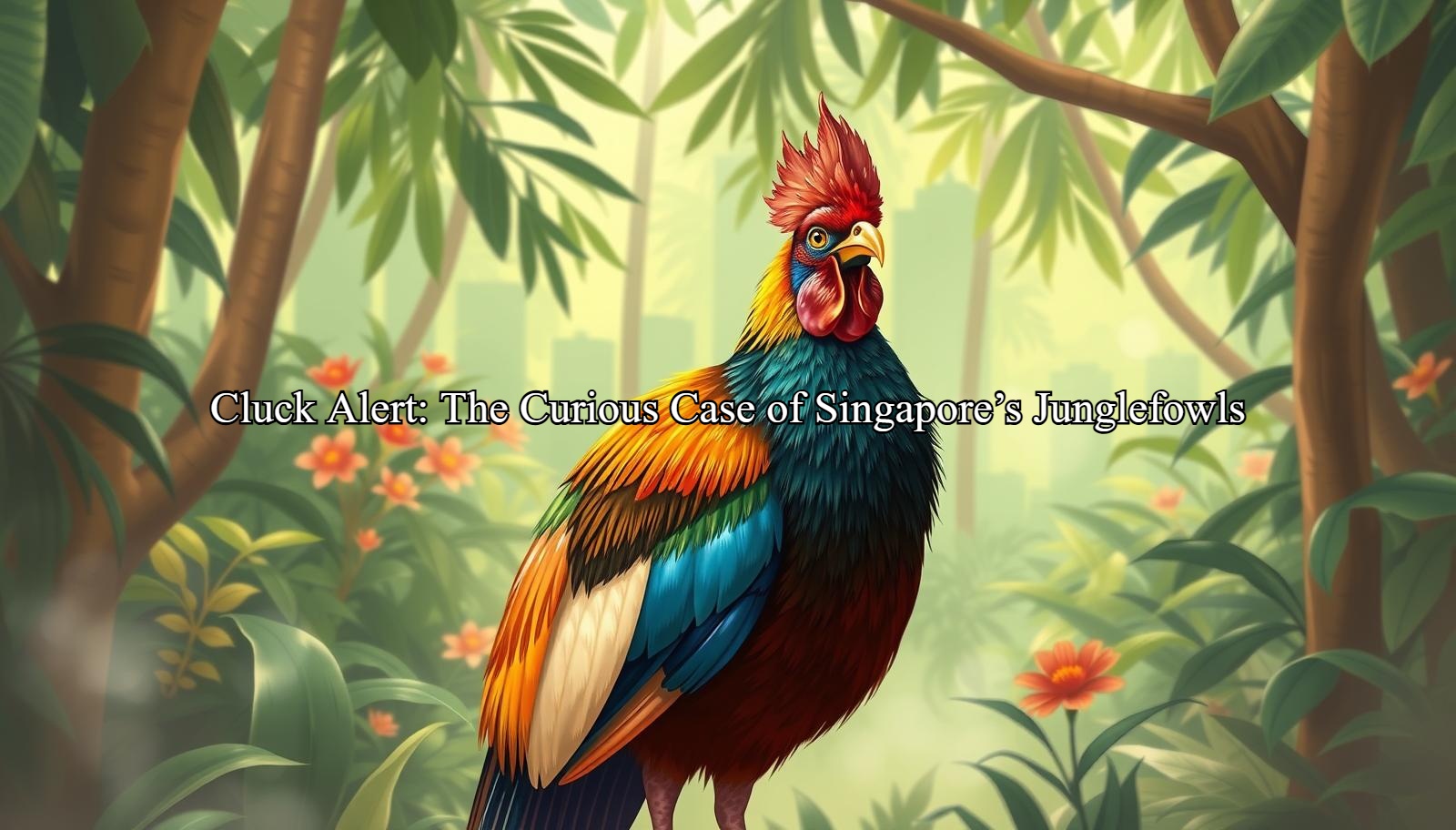
You may have noticed wild chickens roaming the streets of Singapore, or perhaps heard distinctive rooster crows.
But what if I told you that your friendly neighbourhood chickens aren’t…well, chickens?
One of the most fascinating creatures found in Singapore is the jungle fowl, a bird species native to the region.
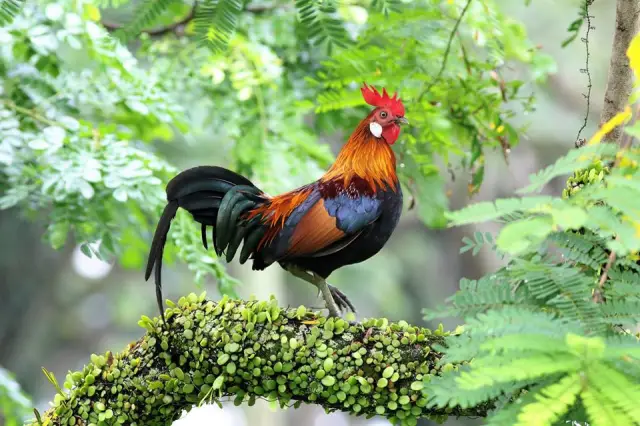
The red junglefowl has adapted to living in the urban jungle of Singapore and is also known as a wild ancestor of domestic chickens.
It is a sight to behold, with its vibrant plumage and distinctive call, and is a popular sight among birdwatchers and nature enthusiasts.
Its presence in Singapore is a testament to the country’s rich biodiversity.
Introduction to Junglefowls in Singapore
Source: Singapore Bird Group
The junglefowl is a member of the pheasant family and is found in the wild in several parts of Asia, including Singapore.
It is a large bird, with males reaching up to 70 cm in length and weighing up to 1.5 kg.
The junglefowl is known for its striking appearance, with a mixture of brown, black, and red feathers.
It is a ground-dwelling bird and is often found in forests and grasslands.
The junglefowl is a herbivore and feeds on a variety of plants, including seeds, fruits, and leaves.
Habitat and Distribution of Junglefowls
The junglefowl is found in the wild in several parts of Singapore, including the Central Catchment Nature Reserve and the Bukit Timah Nature Reserve.
It is an adaptable bird and can be found in a variety of habitats, including forests, grasslands, and even urban areas.
The junglefowl is a shy bird and is often difficult to spot, but it can be heard making its distinctive call.
The call of the junglefowl is a loud, crowing sound that is often heard in the early morning and late evening.
It is a unique sound that is unmistakable and is often used by birdwatchers to locate the bird.
Characteristics of Junglefowls
Source: flickr
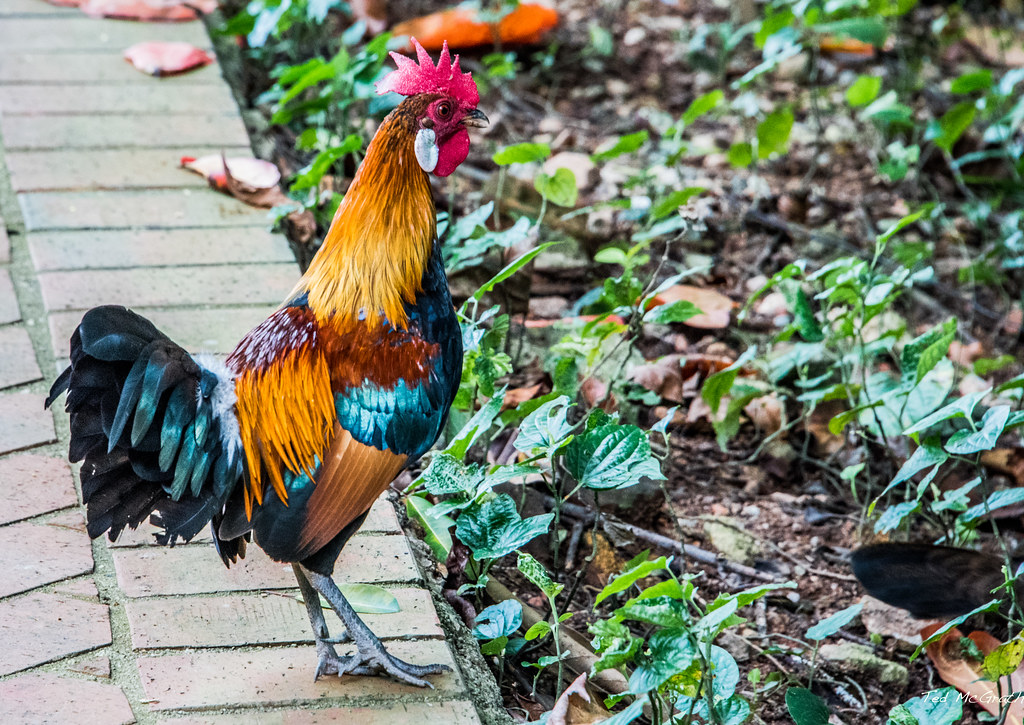
The junglefowl has several distinctive characteristics.
It has a long, pointed tail and a distinctive crest on top of its head.
Instead of yellow feet like its domestic descendants, the jungle fowl has grey feet with a bright reddish-brown back and glossy green wing feathers.
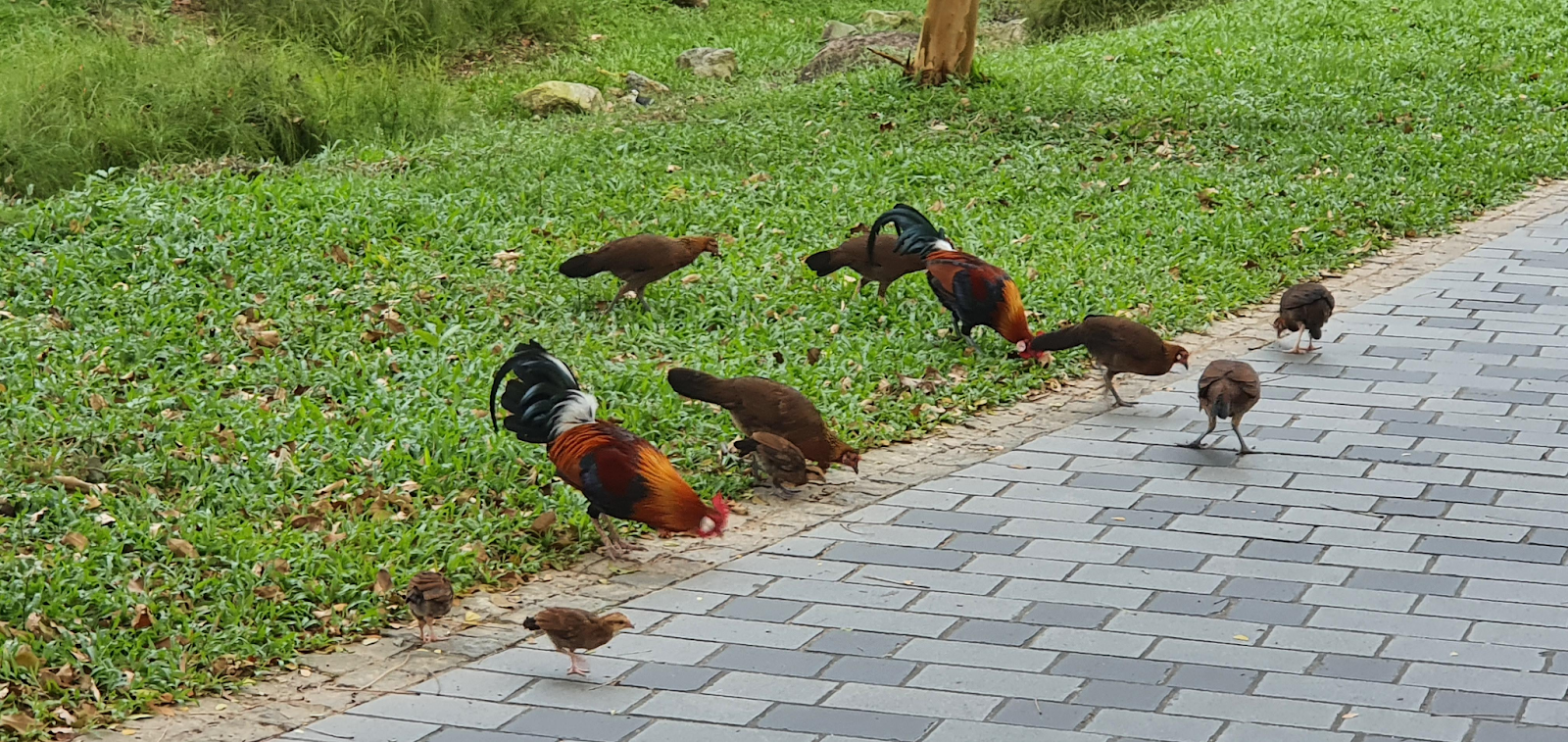
It is a social bird and is often found in small groups, often with a rooster, a few hens, and sometimes with their chicks.
Unlike domestic chickens, the jungle fowl is extremely wary and can even fly for short distances into trees to avoid predators.
Behavior and Social Structure of Junglefowls
Source: Reddit
Jungle fowls are polygynous birds and form long-term pair bonds.
Female junglefowls lay a clutch of 2-4 eggs, which are incubated for about 20 days, and the male junglefowl helps to incubate the eggs and care for the young.
They are protective parents and will fiercely defend their young from predators.
Threats to Junglefowl Populations
The junglefowl is a protected species in Singapore, but it still faces several threats.
Habitat loss and fragmentation are major threats to the junglefowl population. Moreover, hybridisation between domestic free-range chickens continues to threaten the Red Junglefowl population.
Climate change is also a threat to the junglefowl, as it alters the availability of food and habitat.
Conservation Efforts for Junglefowl
Conservation efforts are necessary to protect the junglefowl and its habitat.
The Singapore government has established several nature reserves to protect the junglefowl and its habitat.
These reserves provide a haven for the bird and help to protect it from predators and habitat loss.
The government has also implemented laws to protect the junglefowl from hunting and habitat destruction, such as making it illegal to displace wild animals without a license.
Education and outreach programs are also necessary to raise awareness about the importance of conservation.
Key Factors in Junglefowl Conservation
Singapore’s wildlife agencies and Non-Governmental Organisations like the Nature Society (Singapore) (NSS) and the Bird Group combine habitat conservation, genetic protection, public outreach, and scientific monitoring to preserve the Red Junglefowl.
These balanced efforts include:
- Protected Sanctuaries
- Wildlife Corridors
- Culling domestic fowl to reduce hybridisation
- Genomic Research
- Community engagement by the NSS
Challenges in Junglefowl Research
Research on junglefowls is necessary to understand their behavior, habitat, and population dynamics.
However, researching junglefowls can be challenging due to their shy nature and limited range.
Camera traps and observation studies are often used to study jungle fowls in other countries.
The use of technology, such as drone surveillance and GPS tracking, can also help to monitor junglefowl populations.
Moreover, international collaboration is necessary to share knowledge and best practices in junglefowl conservation.
Future of Junglefowl Conservation
So the next time you catch a glimpse of these striking birds or hear their resonant calls echoing through a park or nature reserve, take a moment to appreciate their place in our landscape.
The Red Junglefowl is not only a symbol of Singapore’s rich biodiversity but also a living testament to the delicate balance between nature and urban life.
Continued efforts from conservationists, scientists, and the public are key to ensuring that these wild ancestors of domestic chickens thrive alongside us for generations to come.
Whether you’re an avid birdwatcher or a curious passerby, spotting a junglefowl reminds us of the wild heart that still beats within our Garden City.
Related to Singapore: