

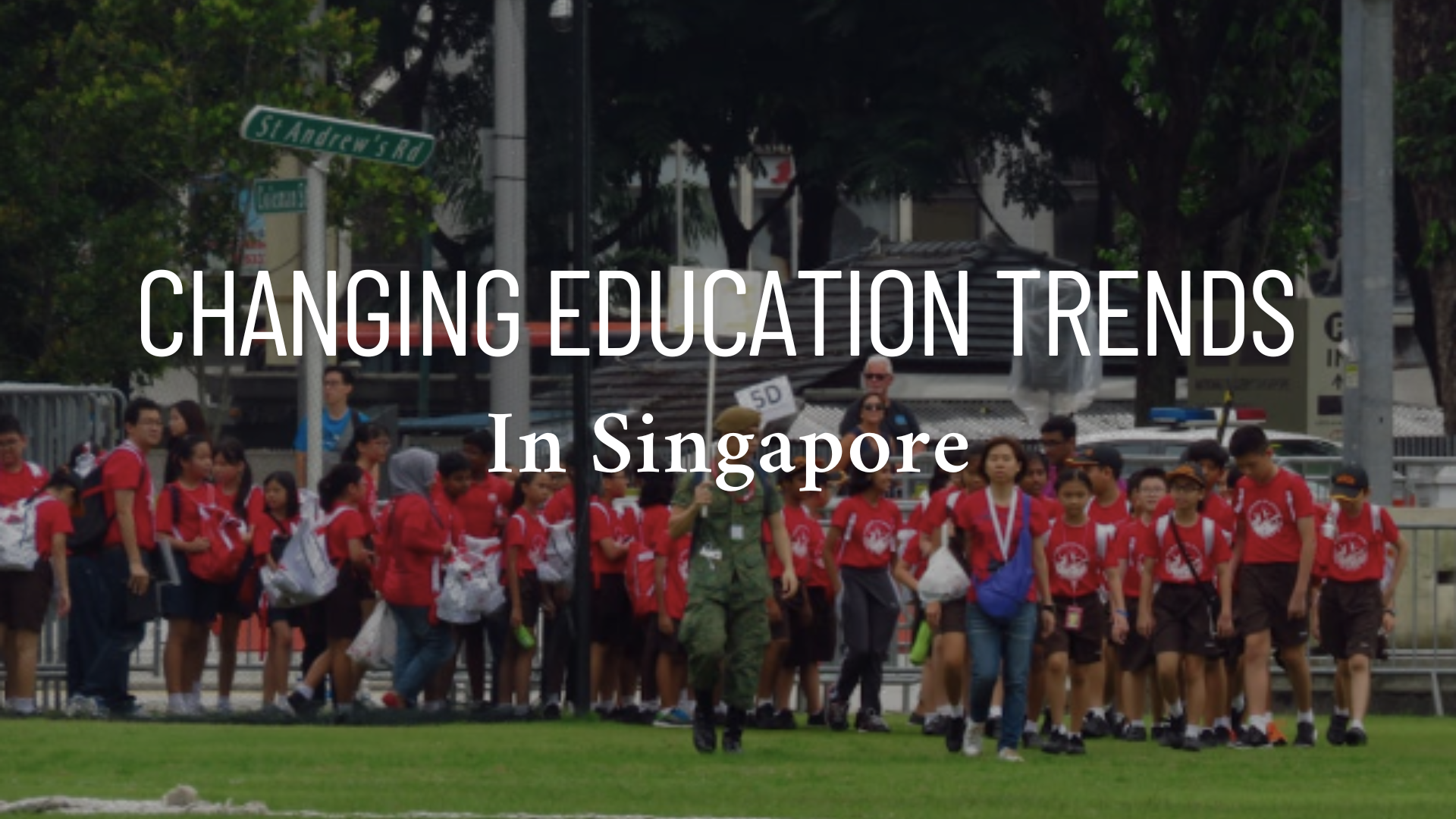
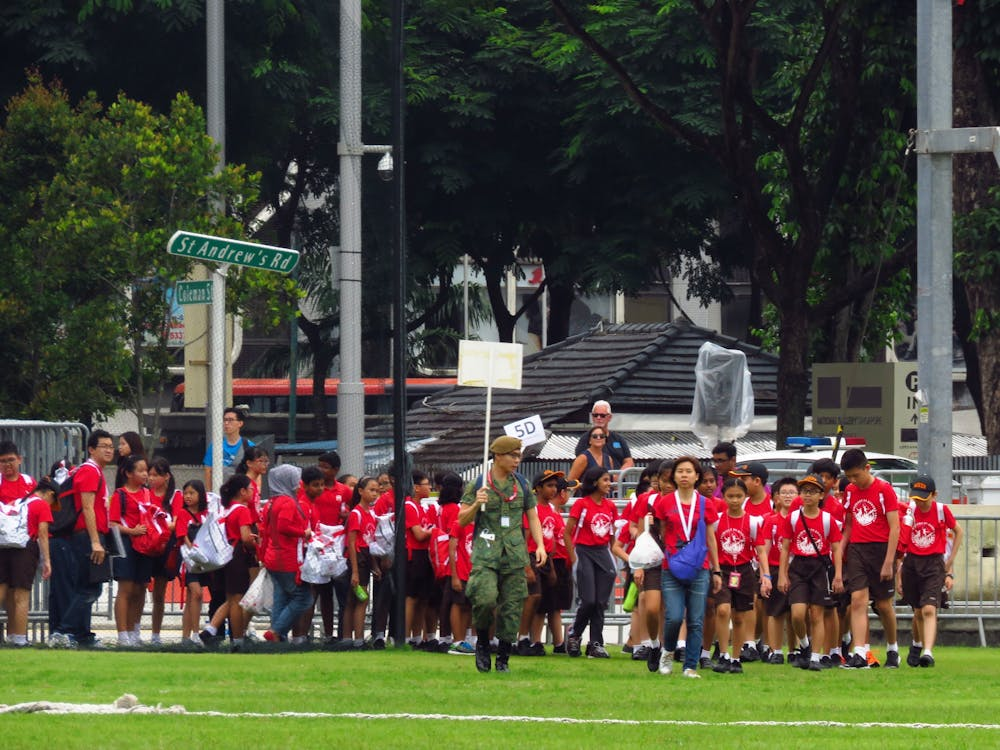
The Singaporean education system is undergoing a significant transformation, driven by the need to prepare students for an increasingly complex and rapidly changing world.
Here are some trends in education that the next generation might experience!
Rethinking Traditional Assessment Methods
Source: Pexels
The days of rote memorisation and standardised testing are slowly fading.
There are going to be more nuanced evaluation methods that assess a student’s critical thinking, creativity, and problem-solving abilities.
Educators are recognising that the one-size-fits-all approach to assessment is no longer relevant in today’s diverse and dynamic learning environments.
Instead, they are embracing more holistic evaluation methods that take into account individual learning styles, skills, and strengths.
This shift towards competency-based assessment is allowing students to demonstrate their knowledge and skills in more authentic and meaningful ways.
For instance, some schools are incorporating project-based assessments, where students work on real-world problems and present their solutions to a panel of peers and educators.
Other schools are using digital badges and micro-credentials to recognise students’ achievements in specific skills or competencies.
Doing so would provide a more granular and accurate picture of their abilities.
Embracing Experiential Learning And Real-World Applications
Source: Pexels
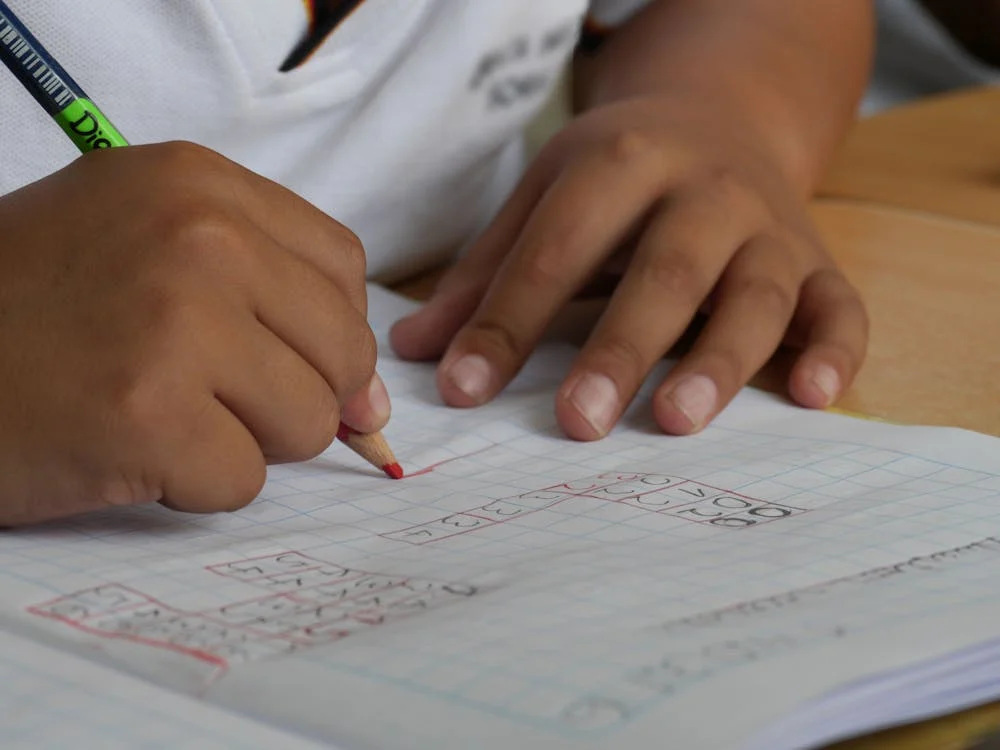
Experiential learning is becoming an increasingly important aspect of the Singaporean education system.
By providing students with hands-on experiences and real-world applications, educators are helping them develop a deeper understanding of complex concepts.
This approach is particularly effective in subjects like science, technology, engineering, and mathematics (STEM).
In these subjects, students can explore and experiment with innovative solutions to real-world problems.
For example, some schools are partnering with industry leaders to offer internships, mentorship programmes, and project-based collaborations.
These initiatives provide students with valuable work experience, networking opportunities, and a clearer understanding of the career paths available to them.
Other schools are incorporating outdoor and environmental education.
Students can engage in fieldwork, conservation efforts, and community projects to develop a deeper appreciation for sustainability and social responsibility.
Fostering A Culture Of Innovation And Entrepreneurship

Source: Pexels
Singaporean educators are recognising the importance of fostering a culture of innovation and entrepreneurship in their students.
By encouraging creativity, risk-taking, and collaboration, educators are helping students develop the skills and mindset.
This mindset would help one to succeed in an increasingly complex and rapidly changing world.
For example, some schools are incorporating design thinking and ideation workshops, where students develop innovative solutions to real-world problems.
Other schools are providing resources and support for student-led start-ups and entrepreneurial ventures, helping students turn their ideas into viable businesses.
Preparing Students For Global Citizenship

Source: Pexels
As the world becomes increasingly interconnected, Singaporean educators are recognising the importance of preparing students for global citizenship.
By fostering cultural awareness, empathy, and social responsibility, educators are helping students develop a deeper understanding of the complex global issues that affect us all.
For instance, some schools are incorporating global perspectives and cultural studies into their curricula.
This would provide students with a more nuanced understanding of diverse cultures and historical contexts.
Other schools are offering language training and exchange programmes, helping students develop linguistic and cultural proficiency.
Encouraging Lifelong Learning And Continuous Skill Acquisition

Source: Pexels
The Singaporean education system is shifting its focus towards lifelong learning and continuous skill acquisition.
People recognise that the pace of technological change demands ongoing professional development and skill updating.
By fostering a growth mindset and a love of learning, educators are helping students adapt to the changing landscape of the workforce.
For example, some schools are incorporating continuous assessment and feedback mechanisms.
This provides students with ongoing evaluations of their progress and areas for improvement.
Other schools are offering continuing education and professional development programmes, helping students stay abreast of the latest trends and technologies in their field.
Building Stronger School-Industry Partnerships
Source: Pexels
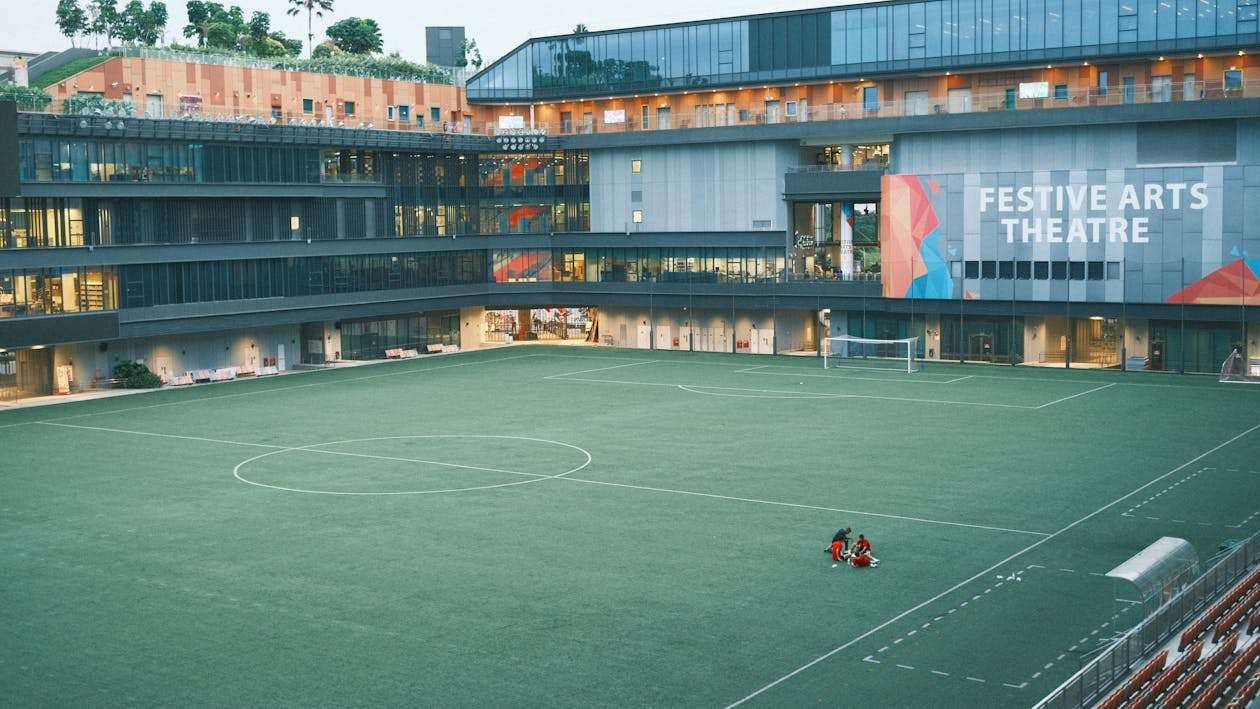
Singaporean educators are recognising the importance of building stronger school-industry partnerships.
These would provide students with real-world experience, mentorship opportunities, and access to cutting-edge technologies.
By collaborating with industry leaders, educators are helping students develop a clearer understanding of different skills and competencies.
For instance, some schools are partnering with industry leaders to offer apprenticeships, internships, and project-based collaborations.
Other schools are incorporating industry-led training programmes, providing students with specialised skills and certifications that are recognised by employers.
It’s clear that these changing trends will have a profound impact on the country’s future workforce and economic development.
Educators are helping Singaporean students prepare for an increasingly complex and rapidly changing world.
Related To Singapore:
Singapore’s Push Towards Sustainable Building and Eco-Friendly Construction